Hello and welcome to the Magic Super Cube!
If you didn’t know, this is the blog series in which I go throughout the history of Magic sets that were in Standard or would have been in Standard had the format existed and pick cards from among those sets and add them to an ever expanding Cube.
We continue taking a look through original Ravnica block by looking at the second set of the block, Guildpact. With as hard of a time as I had with Ravnica: City of Guilds, I was expecting this set to be just as hard, especially since it was a smaller set of 165 cards.
To my surprise this set was incredibly easy to pick cards from, especially when compared to the first set. I didn’t have that much of a hard time, and a lot of that was because there were cycles of cards introduced in this set that helped speed things along.
I didn’t pick every card of every cycle, barring some major exceptions, but they did help inform my picks.
Let’s get started!
White
Starting things off with white, this was fairly easy to pick cards from, but I wouldn’t describe it as the easiest.
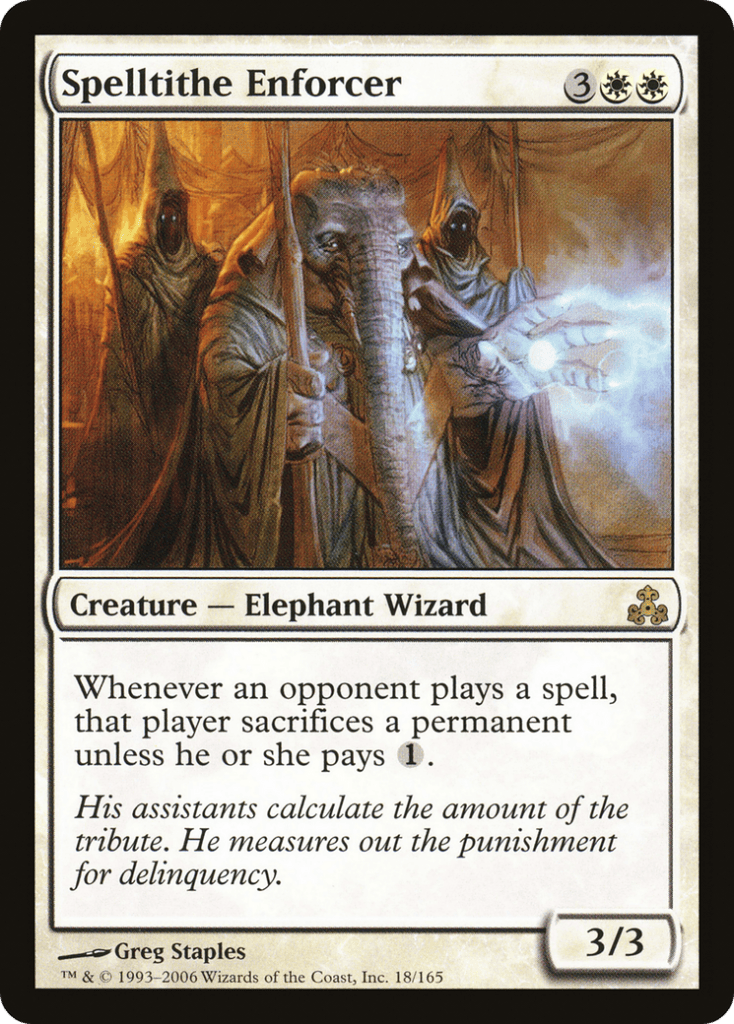
This mostly came from the creature aspect of white as some of the creatures in the color didn’t really wow me in terms of their abilities. The one I did end up choosing is interesting because it plays into the tax aspect of white that it is associated with and does so in a pretty strong way.
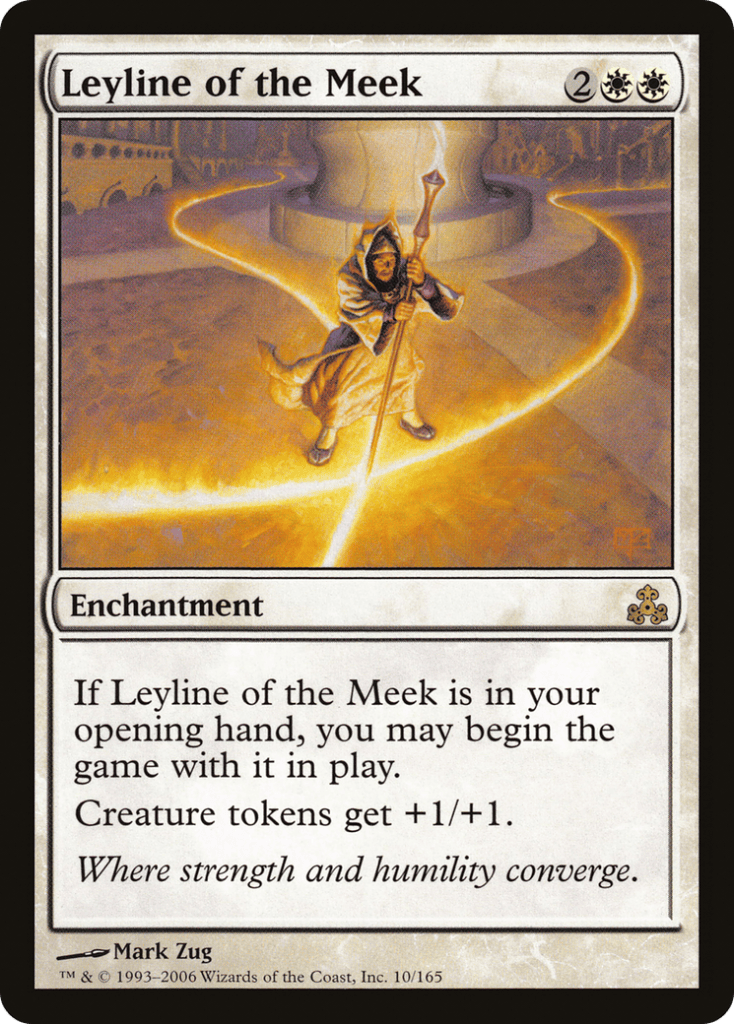
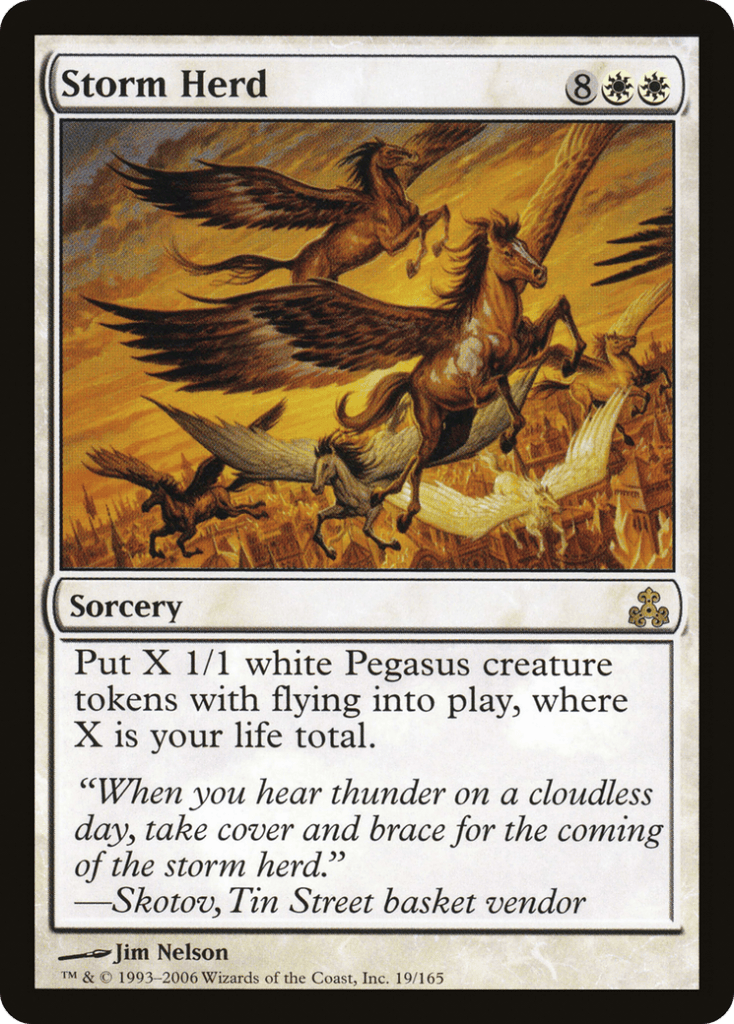
The noncreature spells were much easier in comparison because one was a card from a notable cycle of cards introduced in this set that happens to work well with a general archetype that white plays into, while the other is a payoff for a different archetype that white plays into but also crosses over with the other noncreature spell.
My picks for white are Leyline of the Meek, Spelltithe Enforcer, and Storm Herd.
Blue
Of the five colors, I would probably rank blue as the hardest to have picked from for this set.
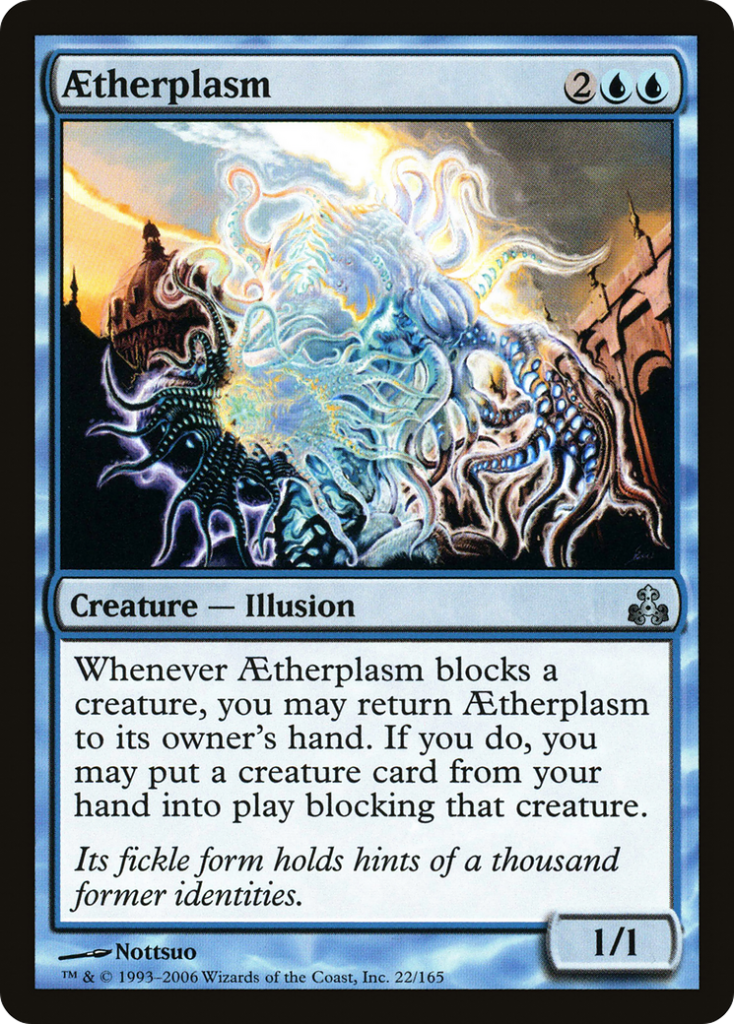
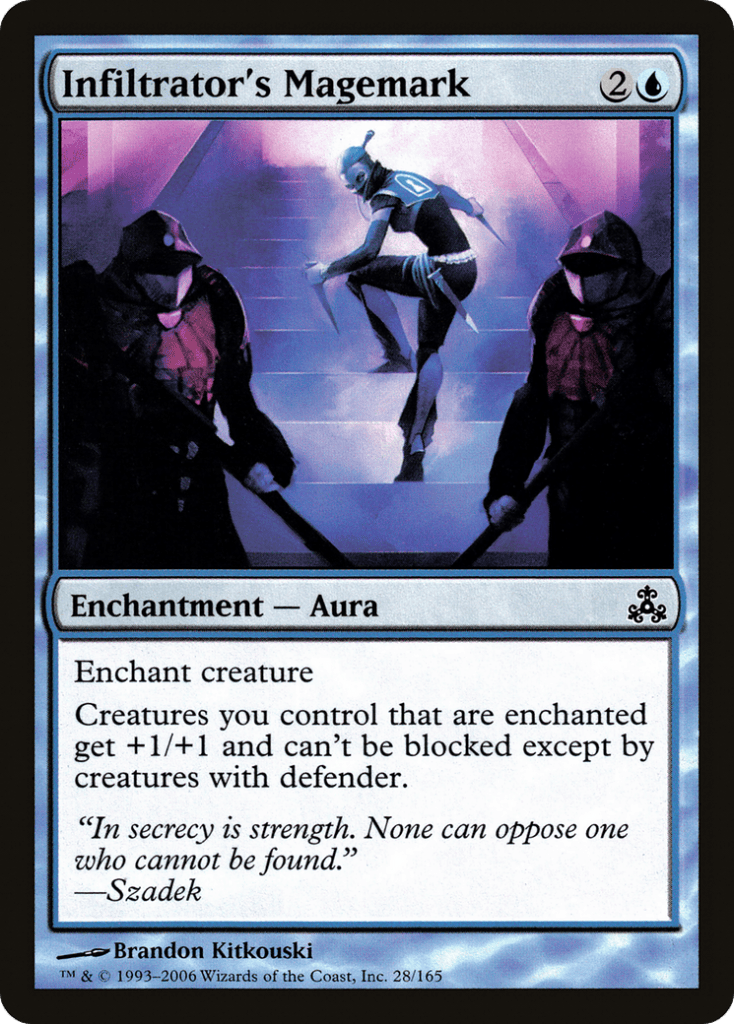
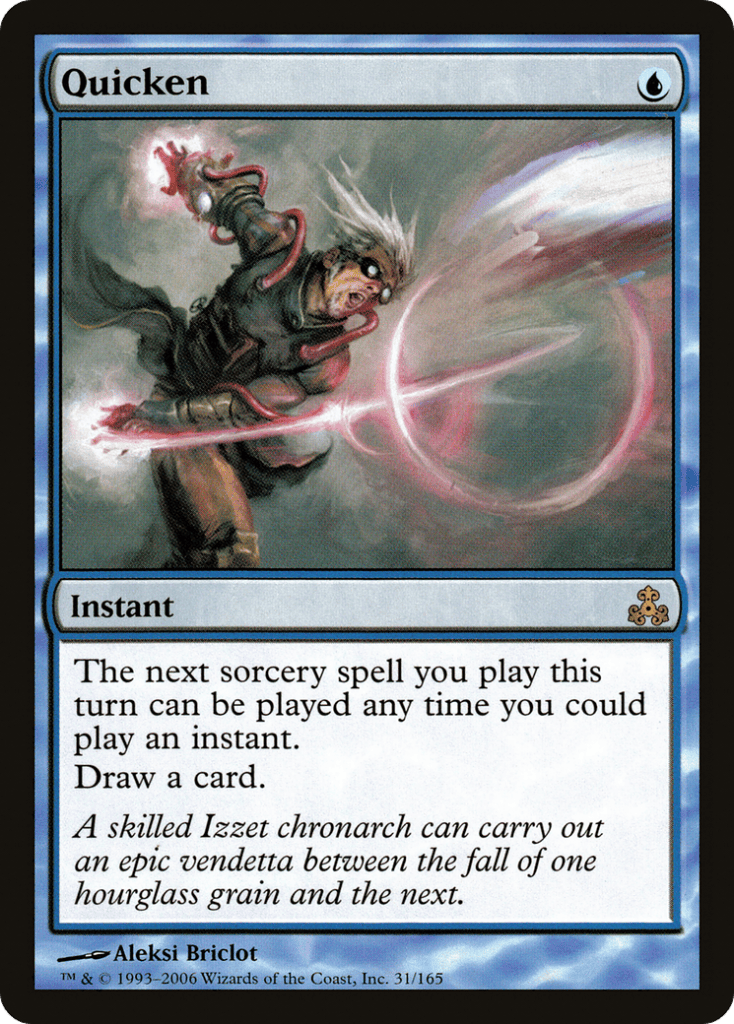
The noncreature spells proved to be a little difficult to pick from, primarily because there were several decent options to chose from. I decided that a cantrip that provided a unique value in when you could cast you spells and an Aura that benefitted you playing other Aura’s by providing a unique form of evasion.
The creature spell was also pretty tough, this time because there some options that I personally found underwhelming. The creature I did choose actually does have an interesting play style for blue that isn’t unfamiliar, but not one I expected in this set.
My picks for blue are Aetherplasm, Infiltrator’s Magemark, and Quicken.
Black
I would say that black was solidly in the middle in terms of how easy it was to pick cards when compared to the other colors.
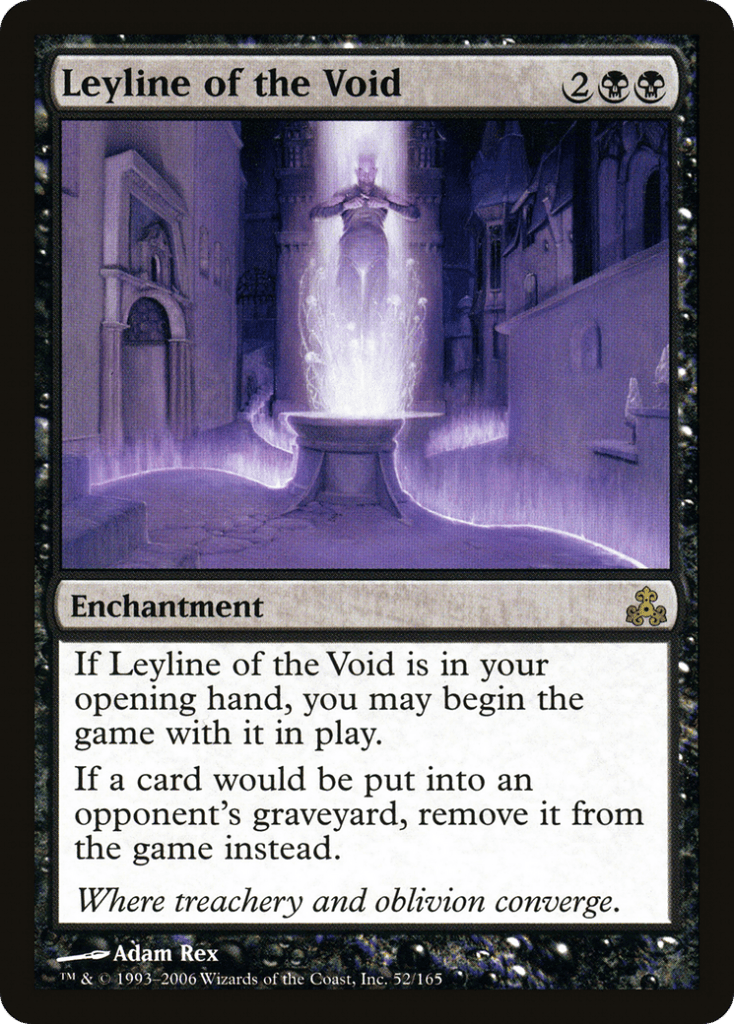
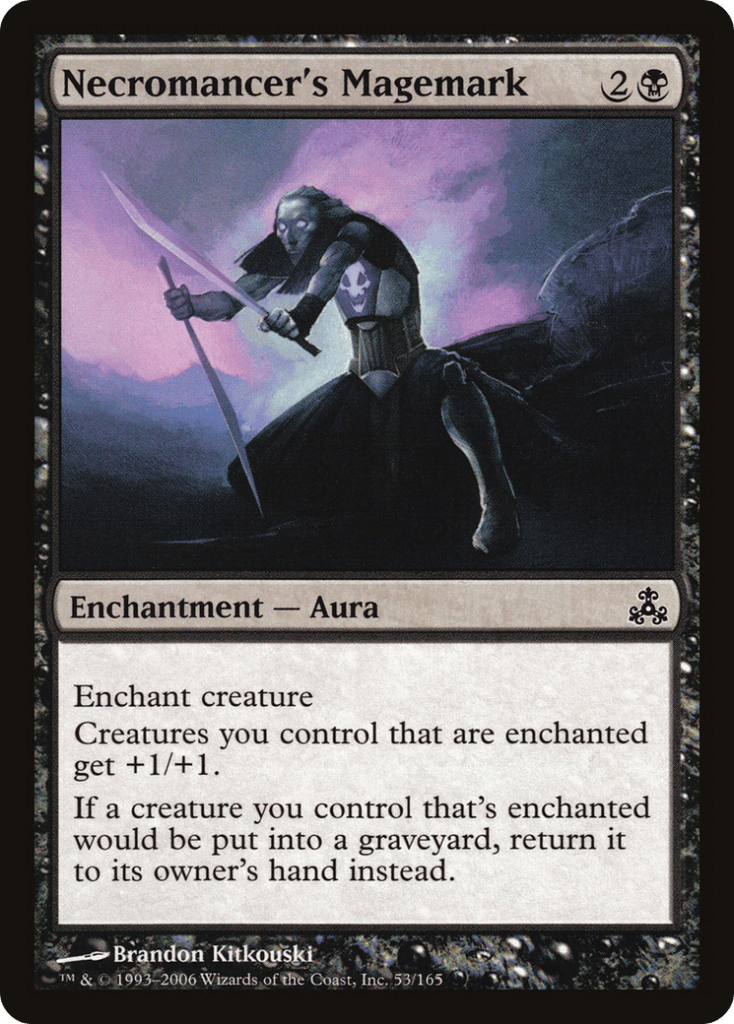
The noncreature spells actually were the easiest from among the five colors. This was because there were two cards from cycles in this set that I chose, one being something that helped synergize with Aura based decks and the other being a very well known card from a very well known cycle of cards.
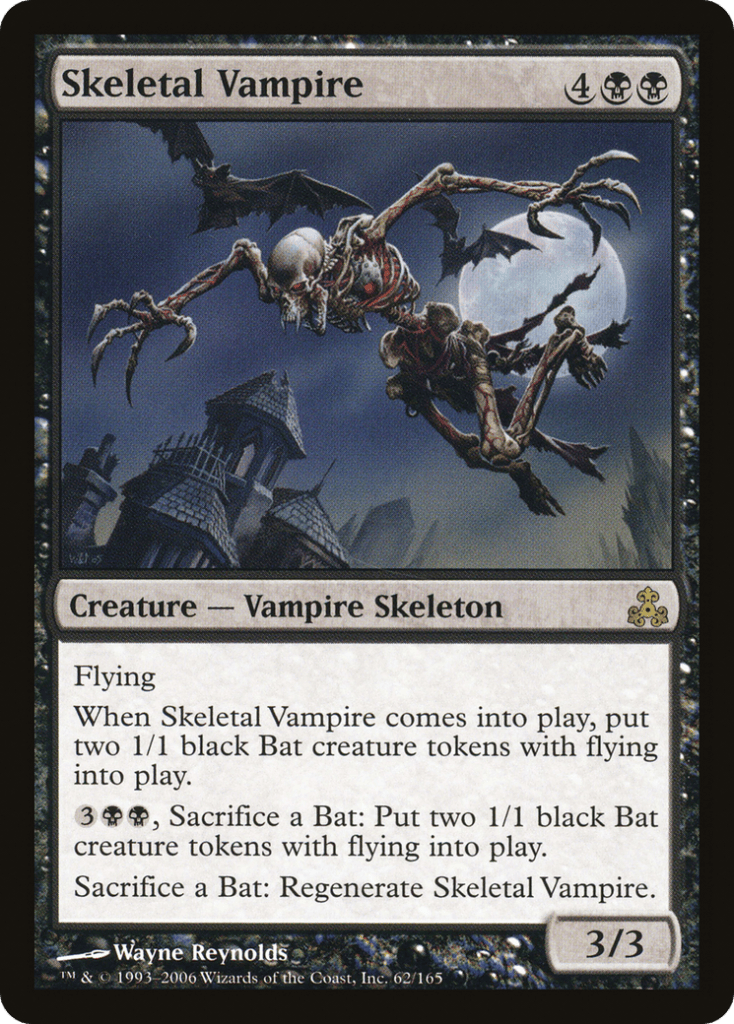
The creature spell was where I had a bit of trouble picking, more so than the other colors. I did end up on a creature that happens to play into two strategies, though it is a bit pricey mana wise in terms of getting the most out of those effects.
My picks for black are Leyline of the Void, Necromancer’s Magemark, and Skeletal Vampire.
Red
Red would be the second hardest of the five colors to have picked cards from, though again this is to say that the choices overall were still fairly easy.
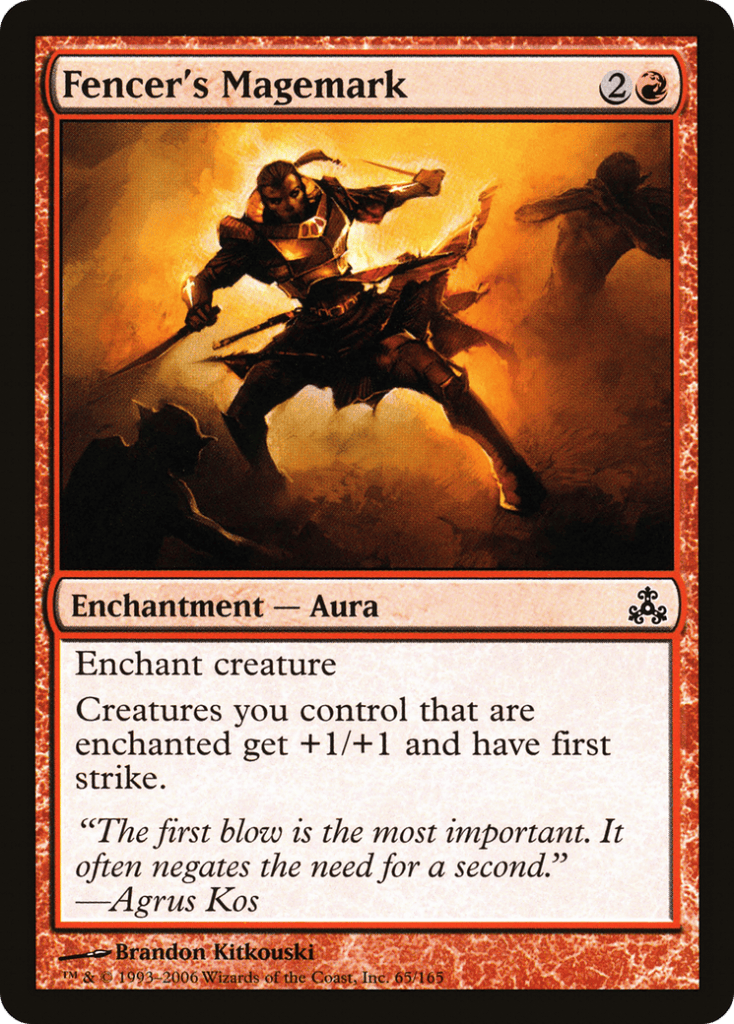
For the noncreature spell, I decided to go into the cycle well again, though I was between two options of which cycle to choose from. I decided on the cycle that worked well with Aura’s and this was because it works well in more aggressive strategies by giving a useful combat ability.
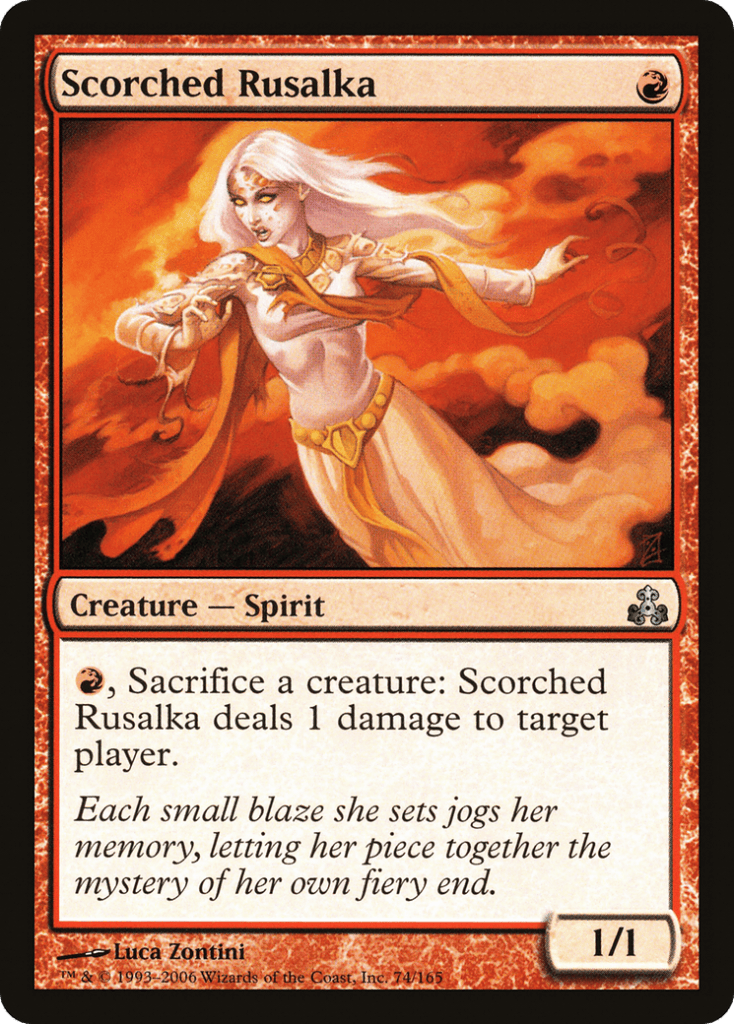
The creature spells were pretty tough because there were several interesting options to choose from. I chose a creature from a cycle that works well for a particular strategy that is common in red and the other being a creature that has a fairly cheap recursion cost if you are playing into an aggressive strategy.
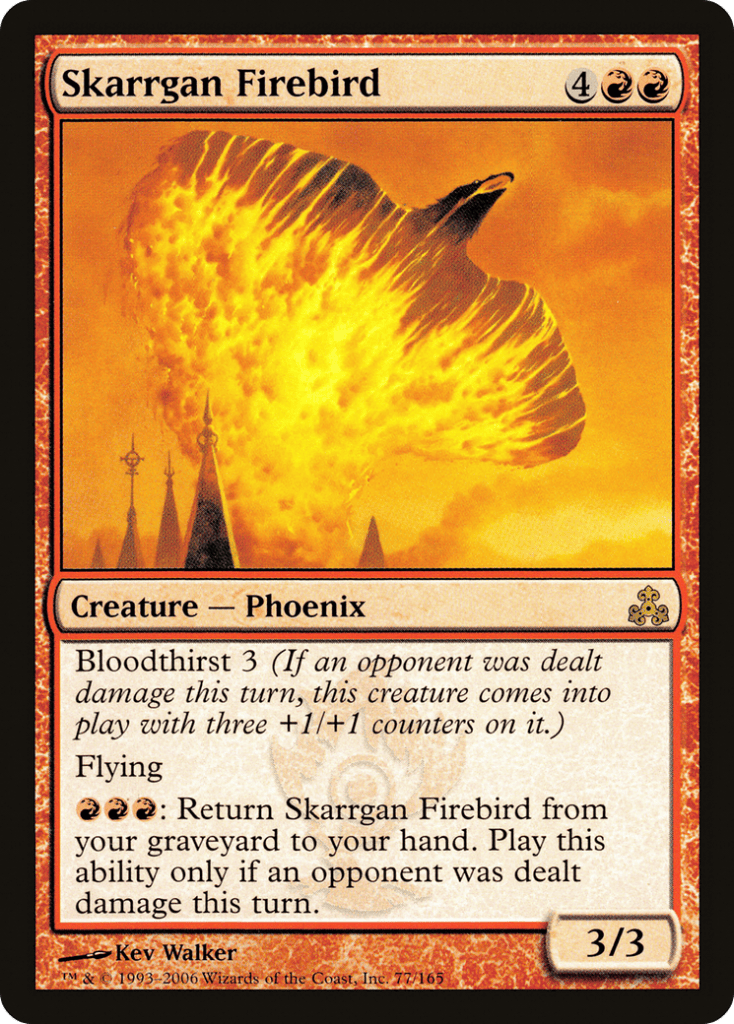
My picks for red are Fencer’s Magemark, Scorched Rusalka, and Skarrgan Firebird.
Green
Green was the easiest color to pick from, more so because the options that were available all play into some interesting archetypes for green that I had to include them.
The creature spell that I chose was fairly quick, almost as soon as I saw it I chose it. The reason why is because it plays into two aspects that green doesn’t often do and one that they have done in the past and I thought that having the option would be interesting to play with.
The noncreature spells were also ones that I chose almost immediately. One is part of a cycle that works really well in creature based strategies and the other is a card that works with a subset of lands that does have presence in the Cube, but will have even more of a presence in the future of the Cube.
My picks for green are Earth Surge, Leyline of Lifeforce, and Starved Rusalka.
Artifacts and Lands
This is where we continue to talk about the hardest part of these sets, and that is how this block in particular introduced several cycles of lands and artifacts that are very well known, but not printed in many Standard sets.
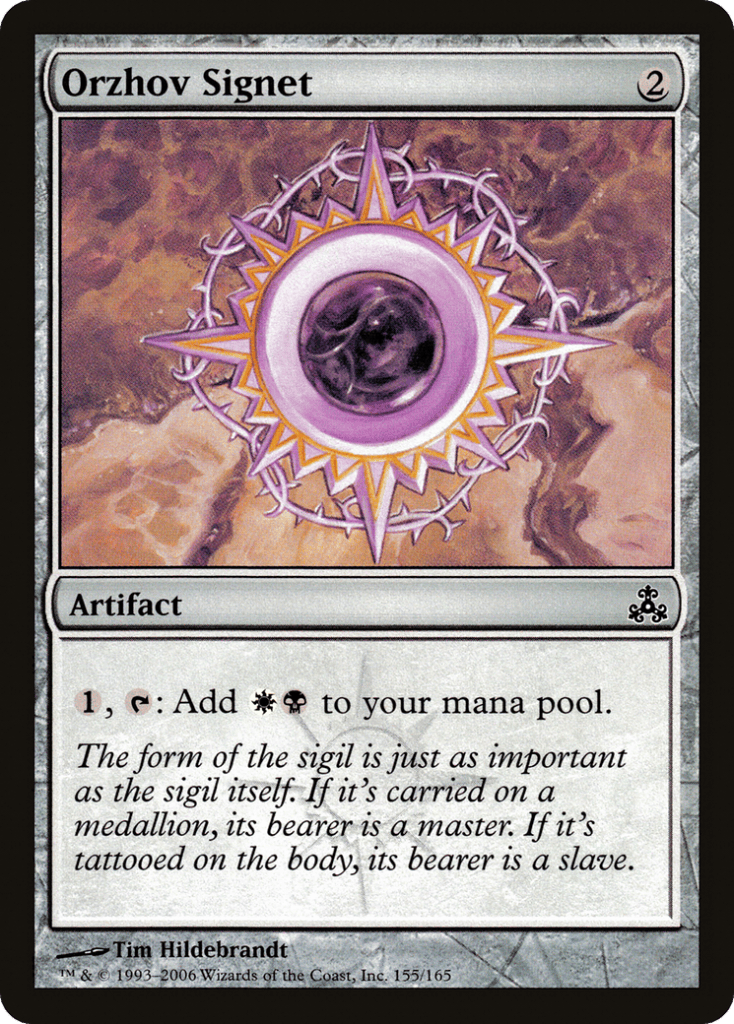
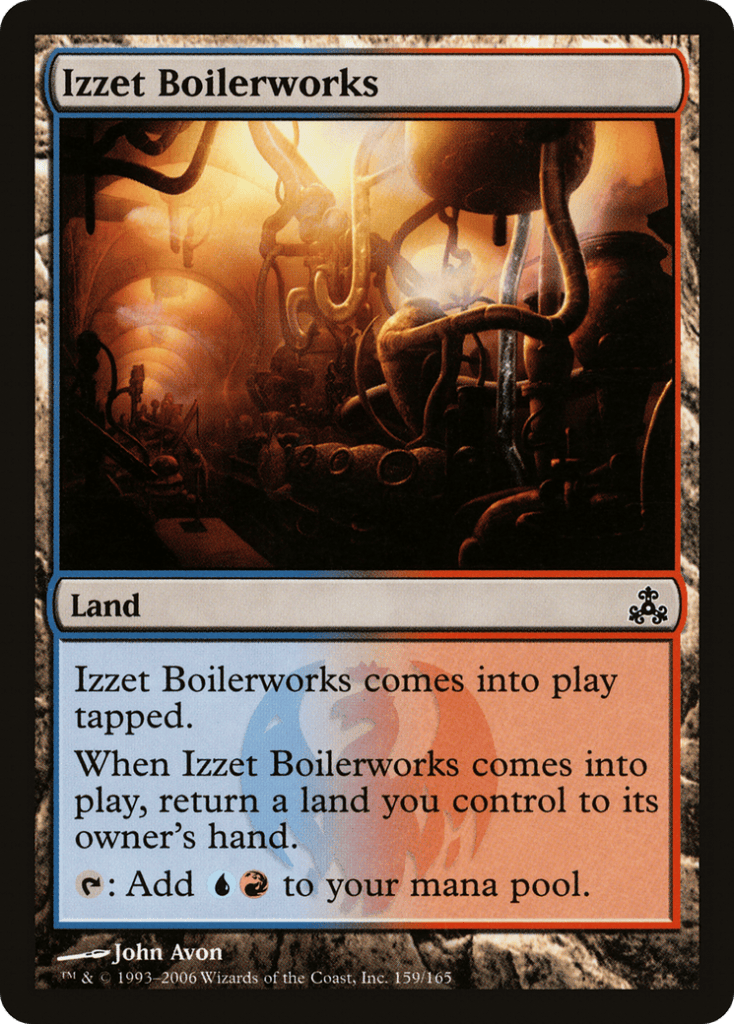
I again went the artifact cycle of cards that are incredibly helpful for mana fixing and work really well in Cubes. The land cycle I went for was for a land cycle that really was printed in this block and not in any other Standard legal sets while the more well known land cycle has been reprinted in Standard sets.
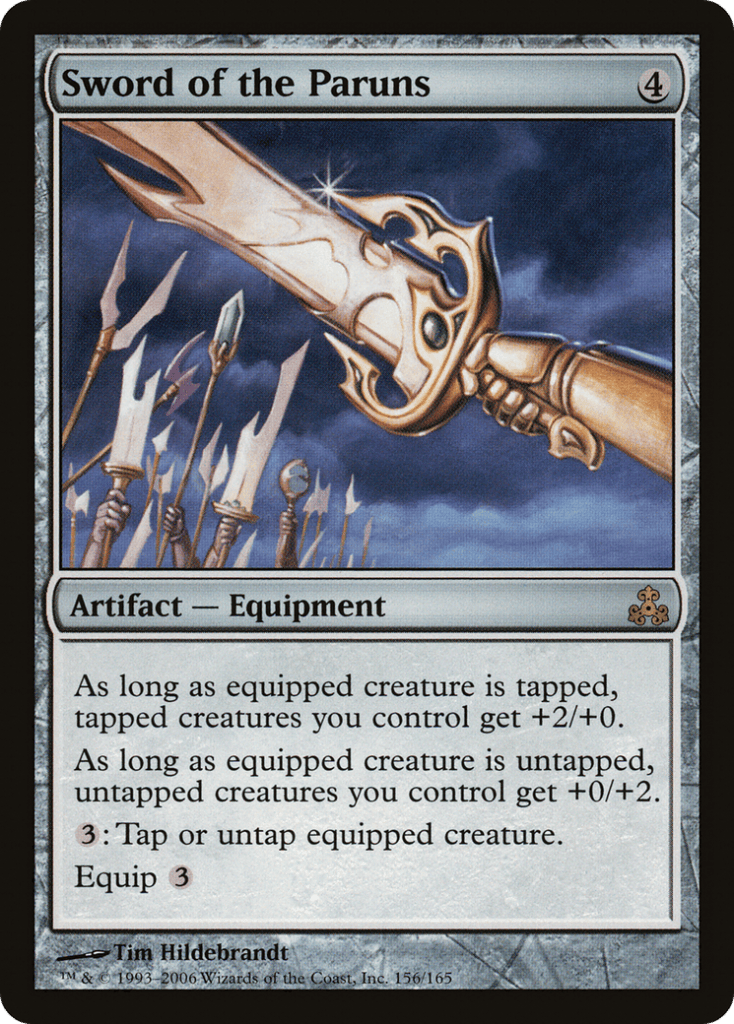
I also had enough room for one more additional artifact, so I decided on the one artifact that was not part of any cycles that could work decently well in the Cube for an Equipment strategy.
My picks for artifacts are Gruul Signet, Orzhov Signet, Izzet Signet and Sword of the Paruns. My picks for lands are Gruul Turf, Orzhov Basilica, and Izzet Boilerworks.
Multicolored
Now onto another series of difficult choices, the multicolored slot.
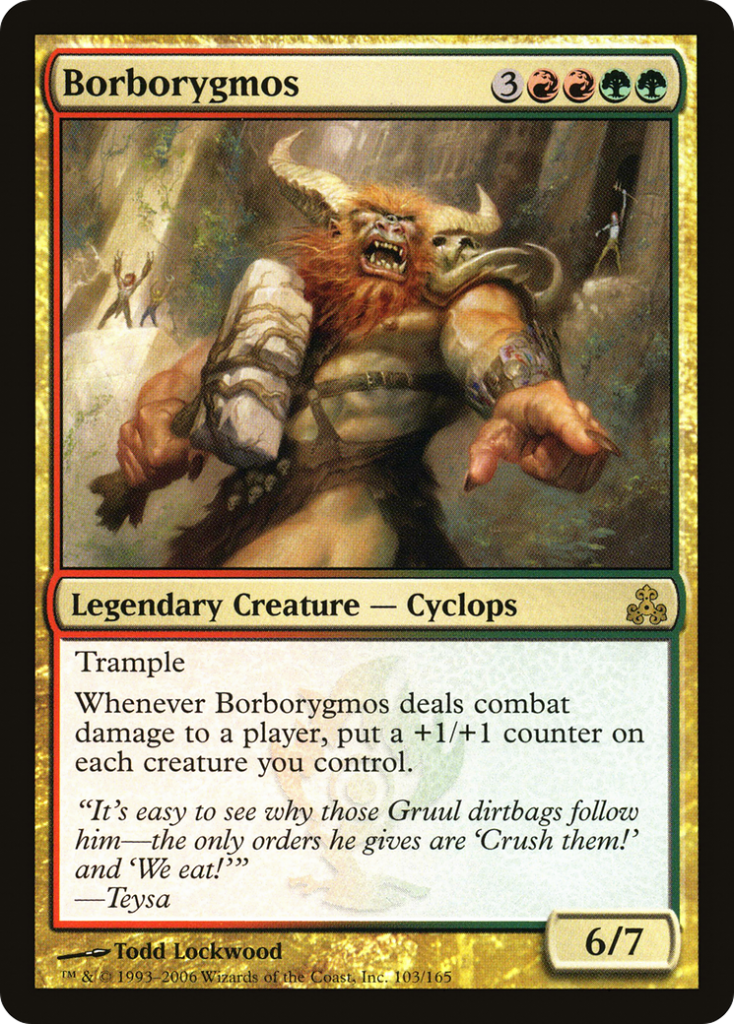
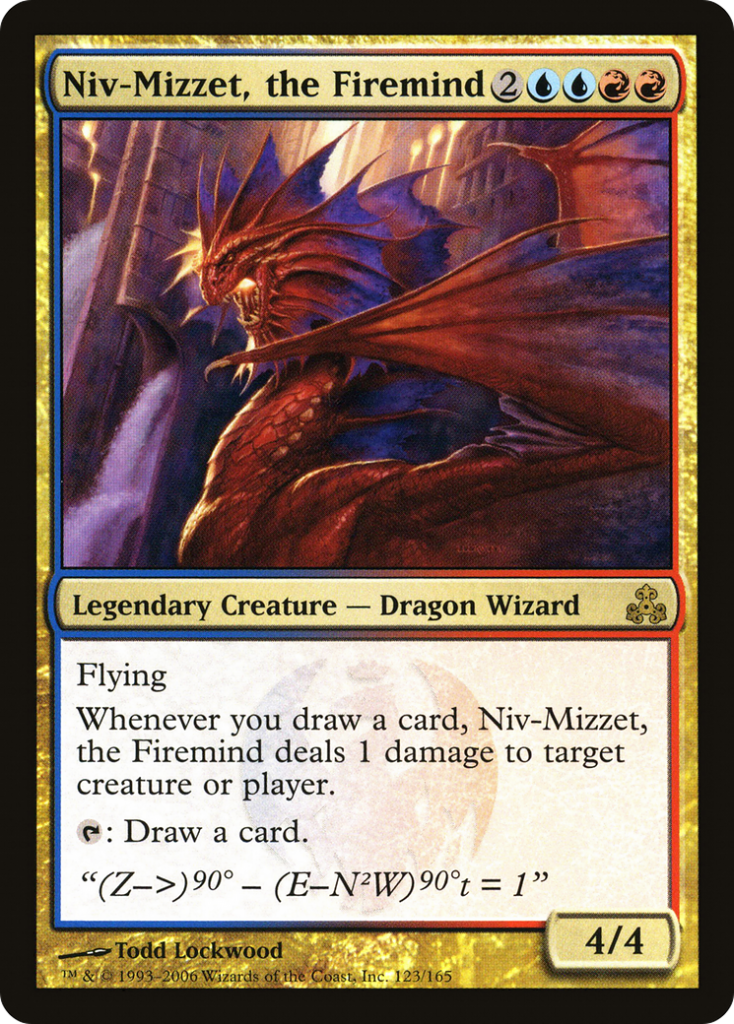
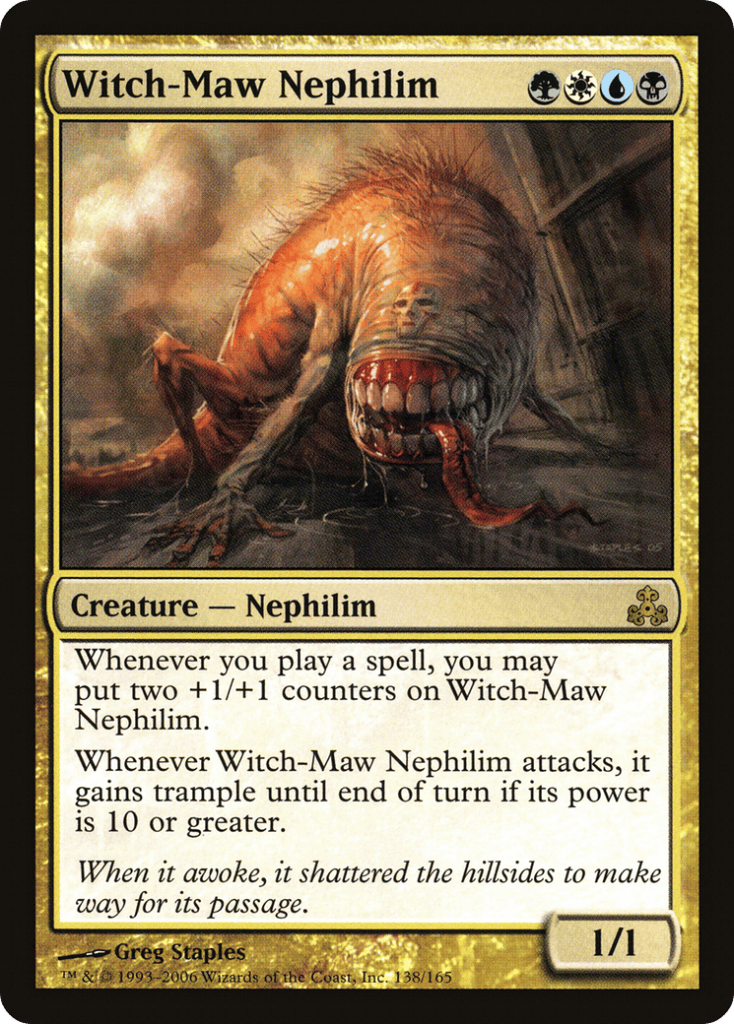
As with the previous set, there were a series of cards that I wanted to add to the Cube because they represent an underutilized aspect of Magic and have a creature type that is seldom used nowadays. The issue is that this cycle of cards takes up five slots in the multicolored spot, which means once again we are left with one spot for each guild combination.
And this one was difficult because there are a lot of solid cards that are available in the set, but the cards I picked are also from a cycle of cards that I didn’t utilize completely last set because I liked the variety of other spells for the multicolor slot.
Here, however I ended up choosing those cards from that major cycle because they are interesting cards that are pretty fun to play with, especially because they are big mana payoffs for the color combinations.
My picks for multicolored are Borborygmos, Ghost Council of Orzhova, Niv-Mizzet, the Firemind, Yore-Tiller Nephilim, Glint-Eye Nephilim, Dune-Brood Nephilim, Ink-Treader Nephilim, and Witch-Maw Nephilim.
In Conclusion
This set was not as hard as I thought it would be to pick cards from than I initially set it up to be. It was fairly easy, especially when looking at it from the lens of the previous set.
When we return to the Magic Super Cube, we are going to be finishing off the original Ravnica block by taking a look at Dissension, another set in which I can hope won’t be as difficult as Ravnica and be as easy as Guildpact, or maybe somewhere in between.
As usual, here is the Moxfield link to keep up with all the cards in the Cube and here is the second part of it Moxfield II!
See you next time!
Peace,
From, J.M. Casual





Leave a comment