Hello and welcome to Weekly Commander!
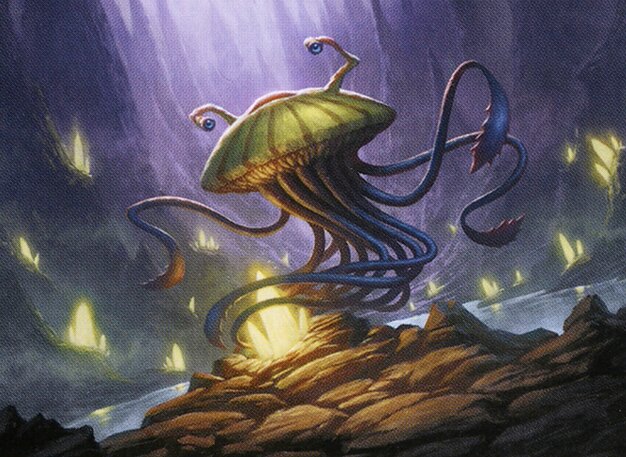
Today we are going to be talking about Gluntch, the Bestower!
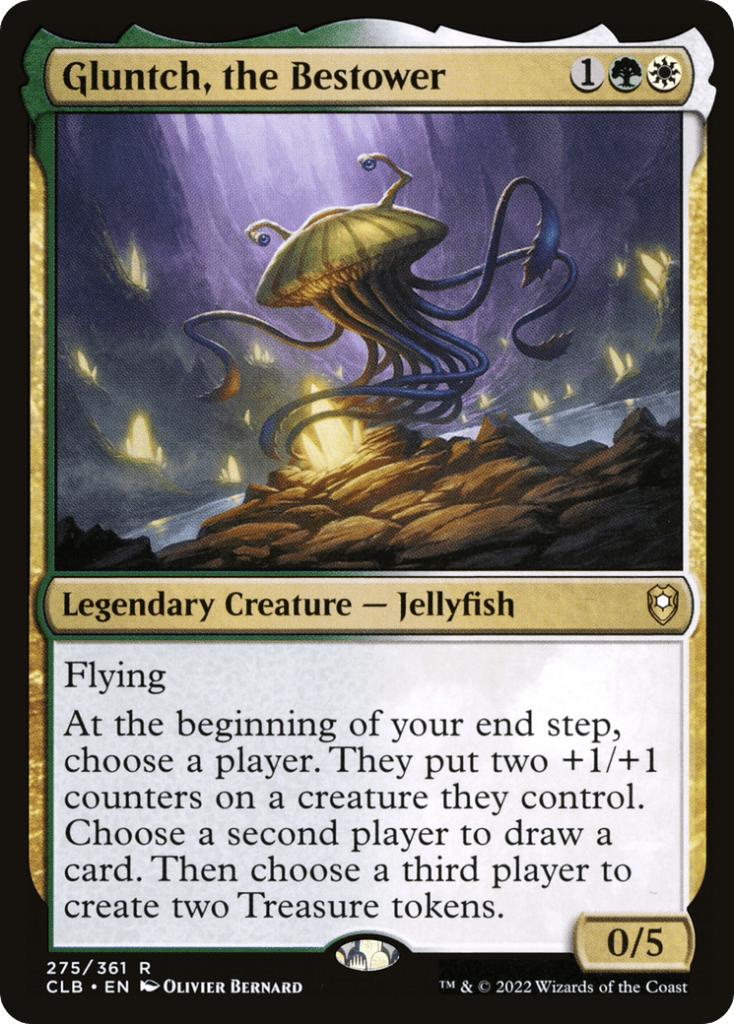
Gluntch is a three mana 0/5 with flying, and at the beginning of your end step you choose a player and they put two +1/+1 counters on a creature they control, then choose a second player to draw a card, then choose a third player to create two Treasure tokens.
In the spirit of the holidays and giving gifts, we are going to be taking a look at a group hug Commander, and while the primary game plan of a group hug deck is to give everyone small advantages so that they won’t aim their ire at you while you secretly build your win condition, I want to do something different with this deck.
What I want to do is step fully into the theme and have cards that only really benefit our opponents and not have a real way to win the game in the deck, with our only way of winning being one of attrition and which will definitely only be a rarity.
Cards for All
To start things off, we need some cards that give as much card draw as possible.
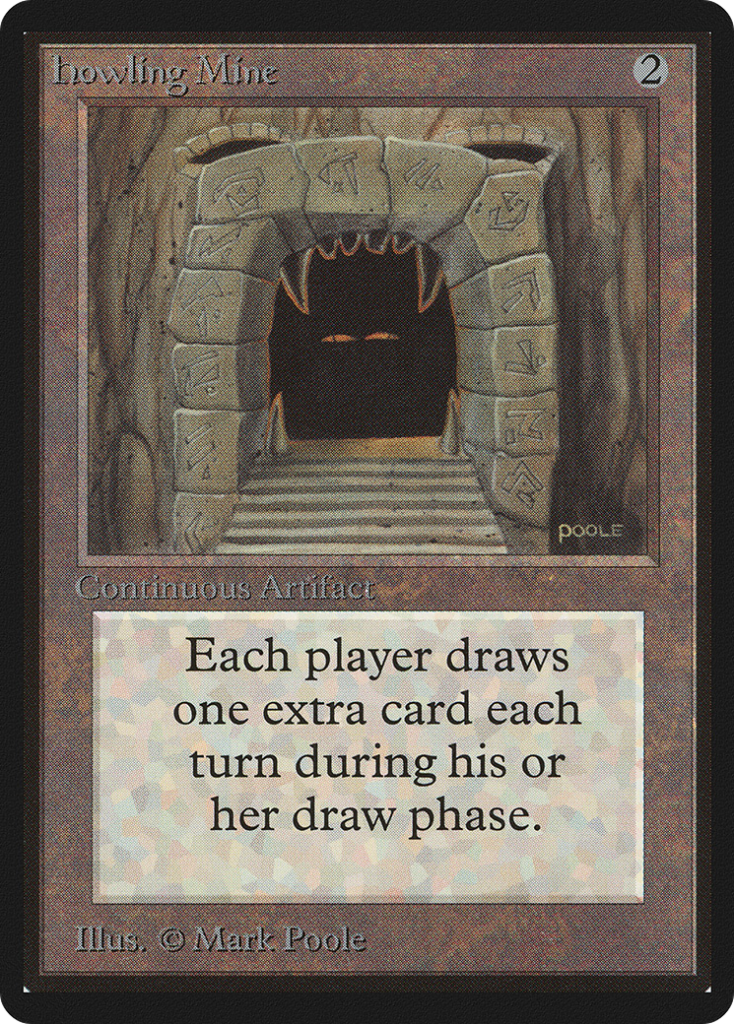
Since card draw is one of the more sought after aspects of games, having cards that give additional draws is going to be important. Howling Mine is one of the classic ways of doing this since it let’s each player draw an additional card during their draw phases if it is untapped.
We can even double up on this effect by using Howling Golem, which whenever it blocks or attacks it has each player draw a card, which means that even if a player comes and attacks us, then we can potentially have everyone draw a card, or we can have a cheeky attack so that everyone can draw, and since it’s only two damage, most players will let the attack go through.
Font of Mythos is an even stronger version of these two cards because it allows each player to draw two additional cards at the beginning of their draw steps, and there are no other restrictions attached to it.
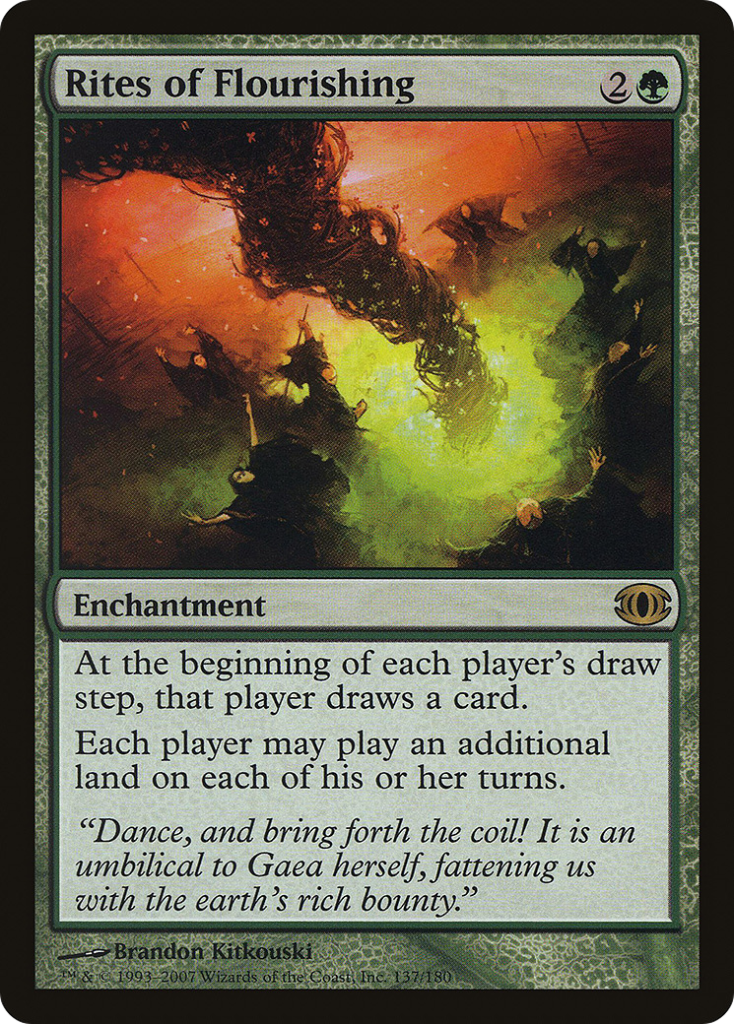
Rites of Flourishing is a pretty interesting card in this space because it also happens to have each player draw an additional card during their draw step, but they also give everyone an additional land drop on each of their turns, which can be really helpful when playing against colors that have a harder time ramping.
Ghirapur Orrery is also a card that gives each player an additional land drop on each of their turns, but also if there wasn’t enough card draw that at the beginning of each player’s upkeep if that player has no cards in hand then they draw three cards, which with the additional land drops can have each player empty their hands faster.
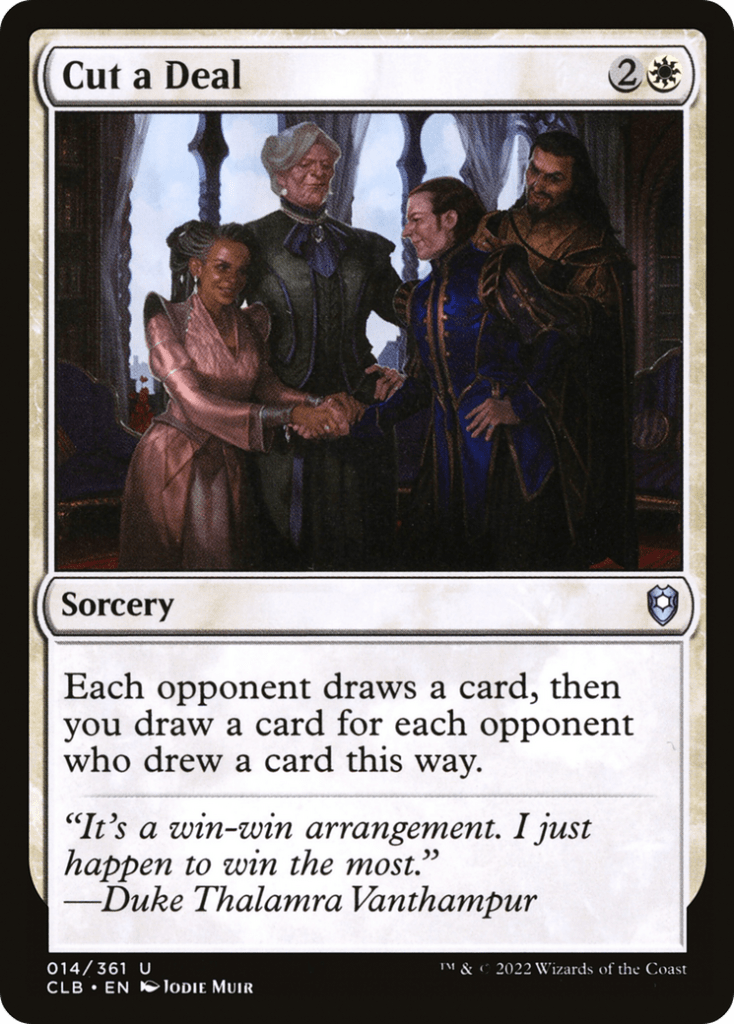
There are also some conditional card draw spells that we can use like Cut a Deal, which allows each opponent to draw a card, and for each opponent who does then we draw that many cards. While it only gives one draw to each opponent and us three cards, we can still leverage that as a way for us to help everyone else.
Secret Rendezvous allows us and one target opponent to draw three cards, Heartwood Storyteller to have it so that whenever a player casts a noncreature spell each of that player’s opponents may draw a card, and Flumph which when it is dealt damage then us and target opponent each draw a card.
Mana, Mana, Everywhere

The next thing we need are ways to make sure that we can have everyone have a ton of mana.
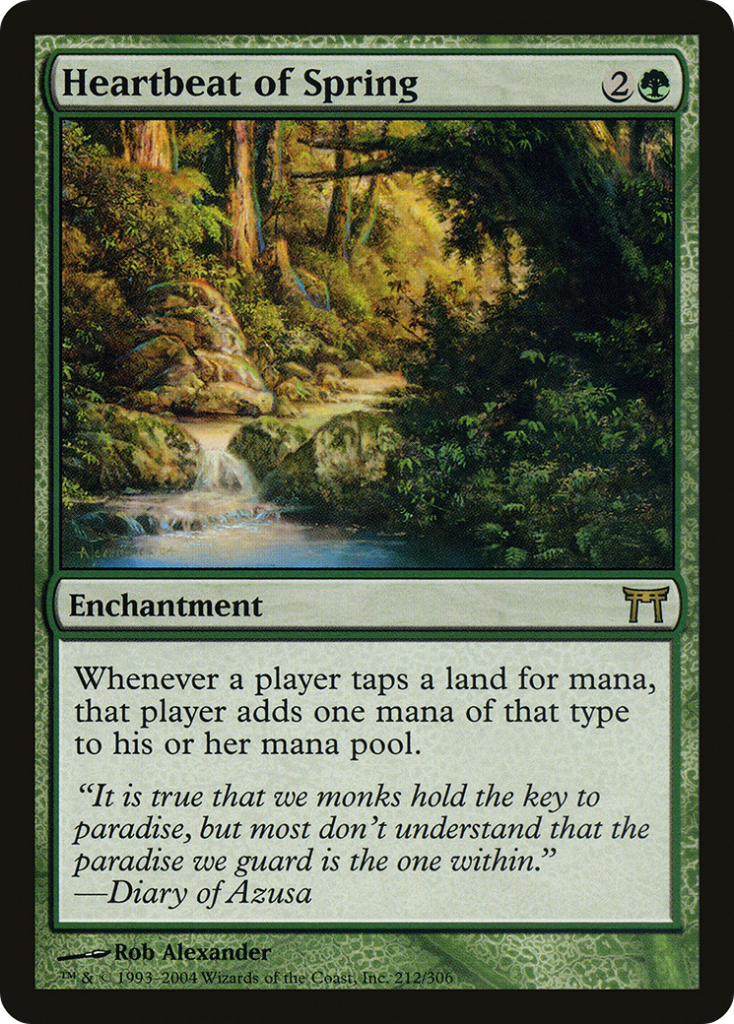
Heartbeat of Spring is a perfect example because whenever a player taps a land for mana, they add one mana of any type that land produced, which is a pretty solid ramp piece that can help even the most mana stuck player get a bit of a boost.
Speaking of ramping players, there are also cards like Eladamri’s Vineyard and Magus of the Vineyard which has each player add two green mana at the beginning of their first main phase, and both are one mana which means that we can get either into play early in the game so that the game can ramp up faster.
We can also give additional ways for our opponents to make use of that mana, and something like Upwelling can help with that because it has it so that players don’t lose unspent mana as steps and phases end, which means that any additional mana production becomes longer lasting and can be “banked” for later use.
There are also spells like Collective Voyage, which has it so that starting with you has each player pay any amount of mana and then each player gets X basic lands with X equal to the total amount of mana paid this way and puts them on the battlefield tapped or Alliance of Arms, which in a similar vein has each player pay any amount of mana to make X 1/1 Soldier tokens where X is the total amount of mana spent this way.
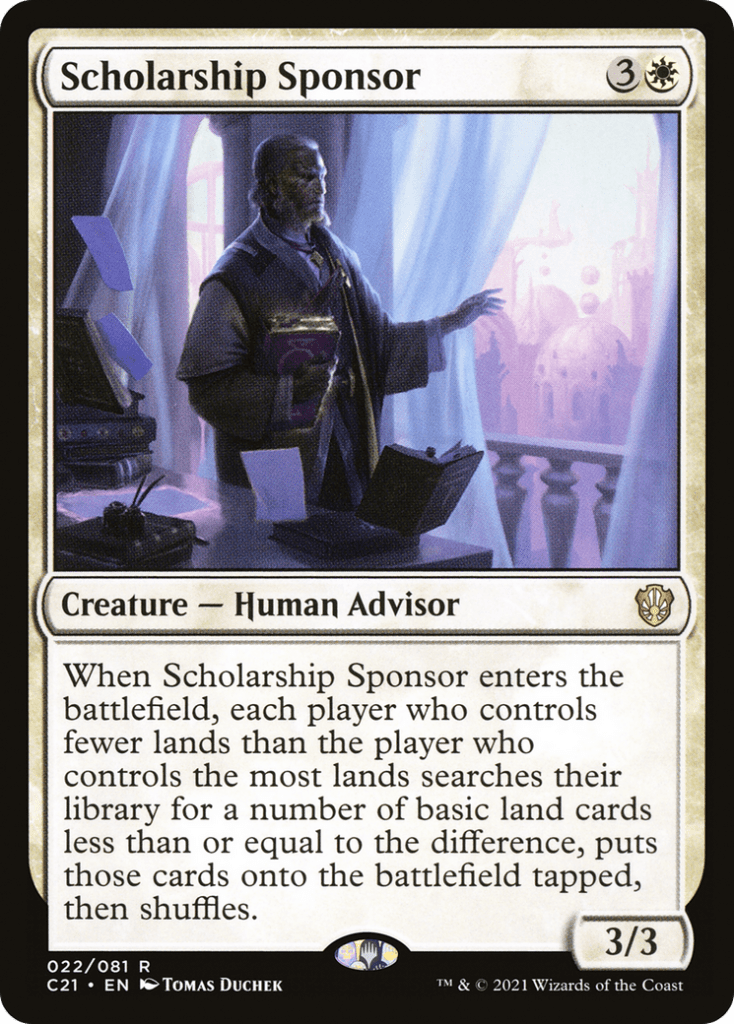
Speaking of helping players ramp, there is Scholarship Sponsor, which when it enters each player who controls fewer lands than the player with the most amount of lands searches for a number of basic lands equal to the difference and puts them onto the battlefield tapped.
Old-Growth Dryads has it so that when it enters each opponent searches for a basic land and puts it onto the battlefield tapped, Veteran Explorer to have each player search for their library for two basic lands and puts them onto the battlefield when it dies, and new Frontiers to have each player search for X basic lands and puts them onto the battlefield tapped.
Rootweaver Druid is an interesting option to consider because it has each opponent search for up to three basic lands and puts one of them onto the battlefield tapped under our control, and the rest onto the battlefield on the battlefield tapped under their control.
This is where the deck can get a bit more interesting.
Managing the Board
While our game plan does make sure that our opponents get a lot of benefits, we do have to make sure that they don’t just sweep us to win. We want everyone to have as much opportunity to play.
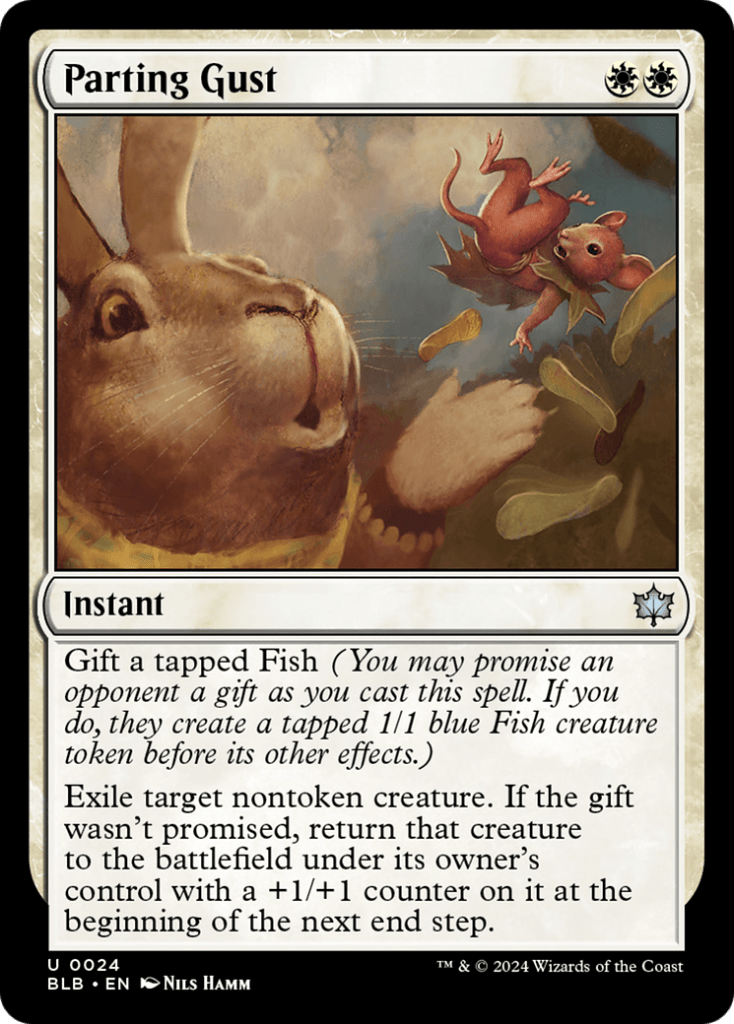
Parting Gust is a nice example of making sure that people can play fairly because we can exile target nontoken creature, and if we didn’t promise the gift of a tapped Fish token then that creature returns to the battlefield under it’s owners control with a +1/+1 counter at the beginning of the next end step.
There are also the classics of Swords to Plowshares and Path to Exile, which both exile a creature for one mana and Swords has it so that its controller gains life equal to that creature’s power and Path has its controller search their library for a basic land and puts it onto the battlefield tapped.
Generous Gift and Beast Within allows you to destroy target permanent and have its controller make a 3/3 Elephant creature token with Generous Gift and a 3/3 Beast creature token with Beast Within, both of which can help deal with any problematic permanent.
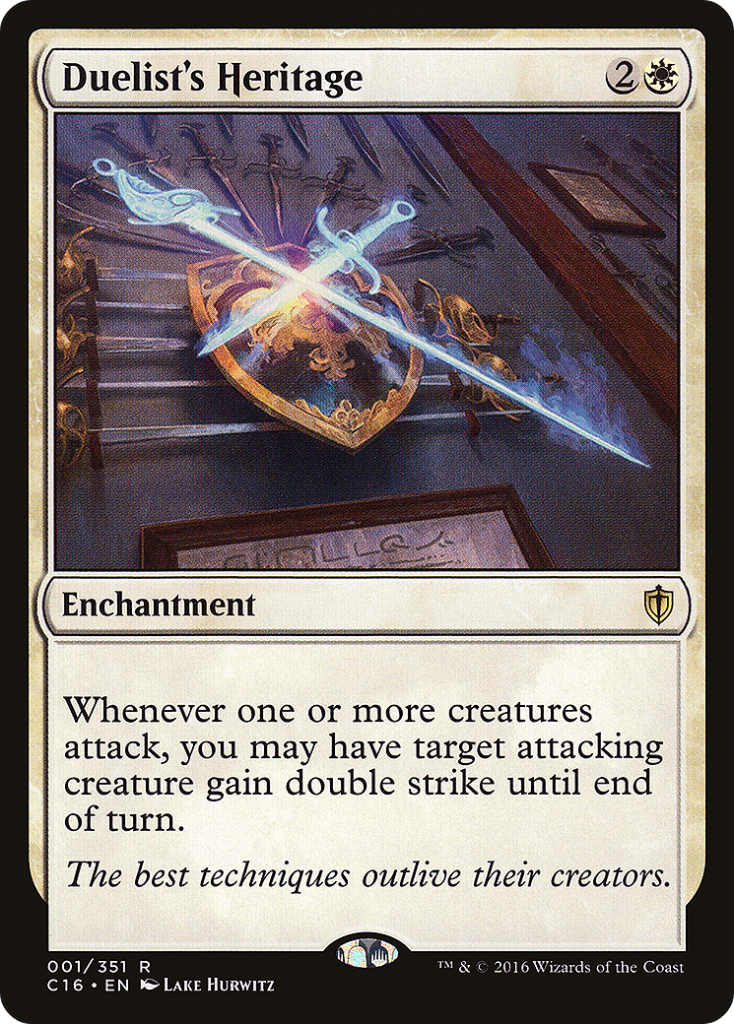
We also want to make sure that everyone can gain some sort of benefit by having some interesting toolbox group hug cards like Duelist’s Heritage, which has it so that whenever one or more creatures attack, we may have one target creature gain double strike until end of turn.
When Arbiter of Knollridge enters then each player’s life total becomes the highest life total among all players, Benevolent Offering to have us and an opponent make three 1/1 Spirit tokens with flying then us and an opponent to gain 2 life for each creature we each control, and Riot Control so we can gain 1 life for each creature our opponents control and prevent all damage that would be dealt to us this turn.
Orzhov Advokist is another card that can help us keep some form of control while still being a solid group hug strategy and that is because at the beginning of our upkeep each player may put two +1/+1 counters on a creature they control, and if a player does, then creatures that player controls can’t attack us or Planeswalkers we control until our next turn.
Another card that helps us take advantage of us putting +1/+1 counters on creatures our opponents control is Nils, Discipline Enforcer, which at the beginning of the end step and for each player has us put a +1/+1 counter on up to one creature each player controls and creatures with one or more counters on them can’t attack us or Planeswalkers we control unless their controller pays X where X is the number of counters on that creature.
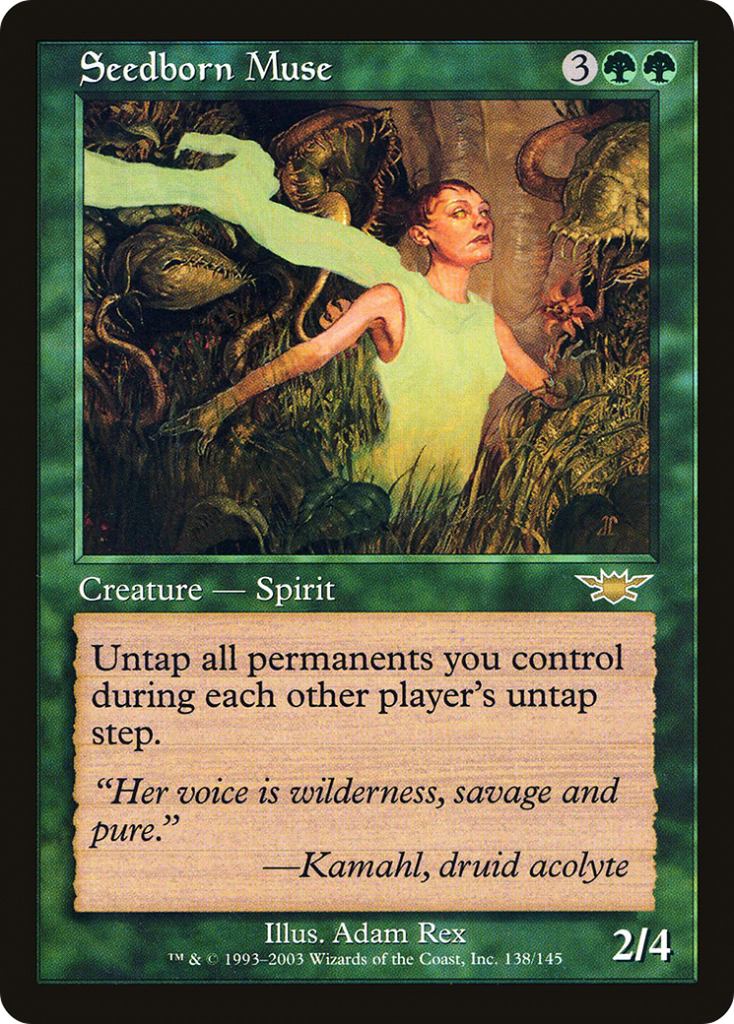
As far as Game Changers go, Seedborn Muse works best with us because it let’s us untap our permanents during each player’s untap step. There is also of course Smothering Tither, which unless an opponent pays two mana when they draw a card, we create a Treasure token, which can help us shore up some mana for later.
While Teferi’s Protection is a great way for us to give us protection from everything, phases out our permanents, and has it so that until our next turn our life total can’t change, we can also use Everybody Lives! which gives all creature hexproof and indestructible until end of turn, gives players hexproof until end of turn, player’s can’t lose life this turn and players can’t win or lose the game this turn can work as a budget way to control the game state as you desire.
Emergency Win
Now while our deck won’t probably win a lot of the time, there are ways for us to potentially win if we are in the mood to do so.
The main purpose of this section is if you want to tweak the deck to have more of a chance to win, the way that the deck has been presented prior may not have you win often, even if you include the mentioned cards, so keep that in mind.
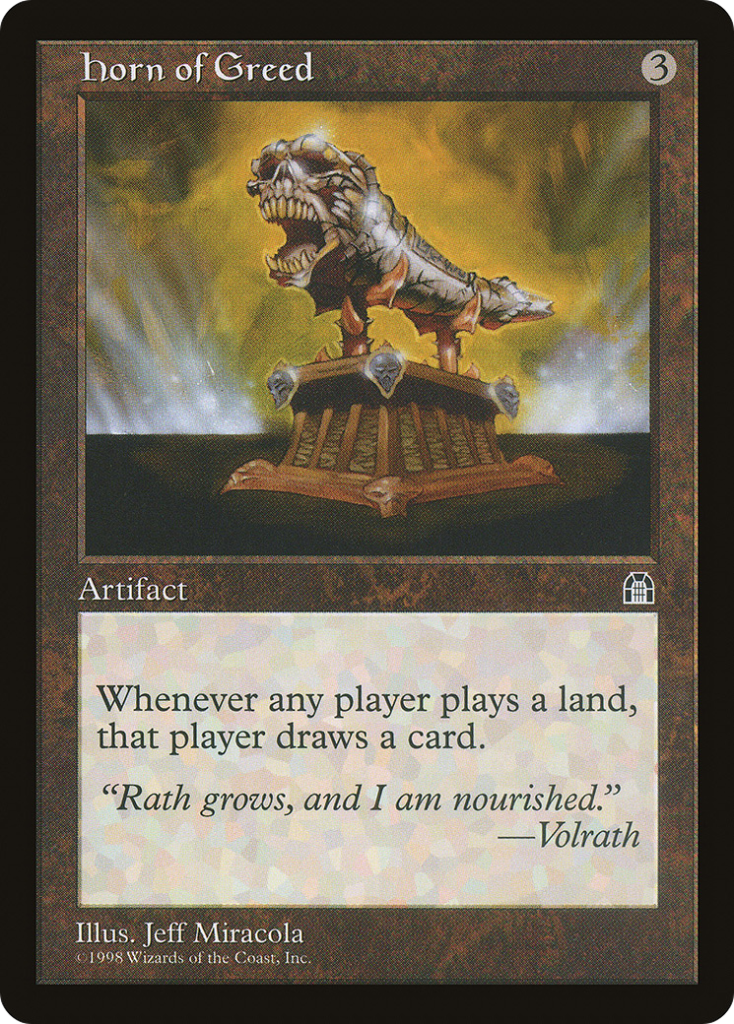
One is for us to effectively become a mill deck in the most roundabout way possible by using cards that have our opponents draw even more, and Horn of Greed is a great card for this because it has it so that whenever a player plays a land then that player draws a card.
Tataru Taru is an interesting card because it allows us to make a Treasure token once per turn whenever an opponent draws a card on a turn that isn’t theirs, which it helps facilitate when it enters because we draw a card and have target opponent draw a card.
Leela, Sevateem Warrior is also an interesting way to act as a way to punish our opponents from drawing cards because if an opponent draws a card except for the first one they draw in their draw steps, then we can put a +1/+1 counter on Leela.
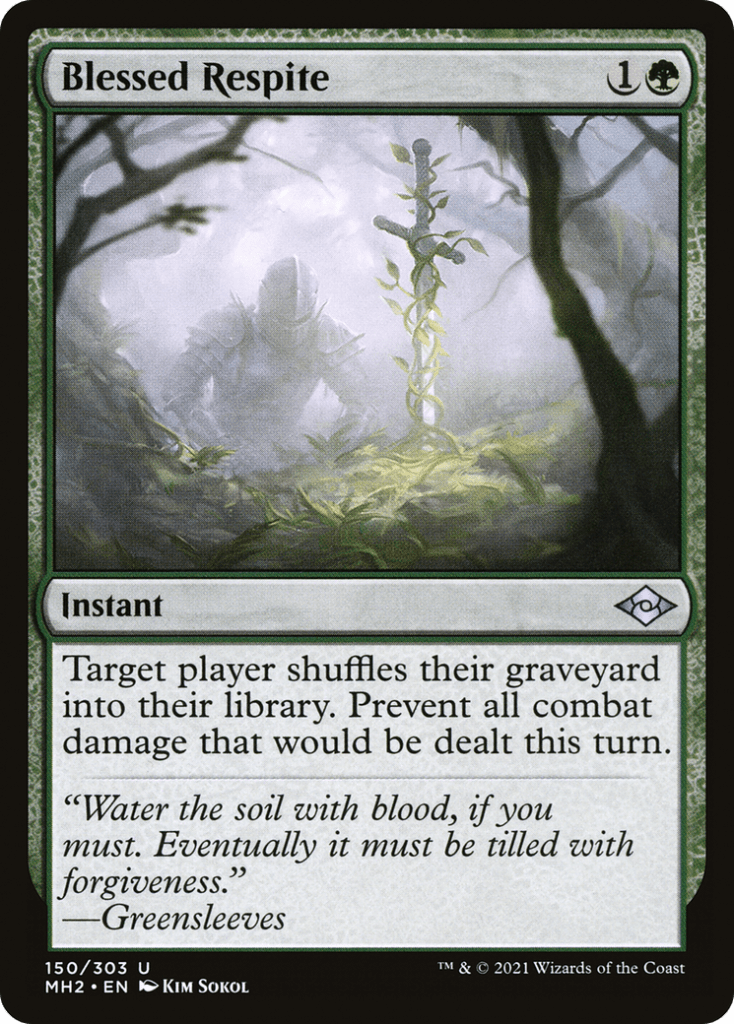
Now while we have a ton of ways for our opponents to draw cards, we also happen to draw a lot of cards because of those methods. However we can mitigate milling ourselves out by using something like Blessed Respite, which has target player shuffle their graveyard into their library and then prevent all combat damage that would be dealt this turn to also protect us from our opponents once they realize what we are up to.
Primal Command is a solid modal spell that happens to also work pretty well in a group hug deck because we can choose two options among having target player gain 7 life, put target noncreature permanent on top of its owner’s library, have target player shuffle their graveyard into their library, or tutor our library for a creature and put it into our hand.
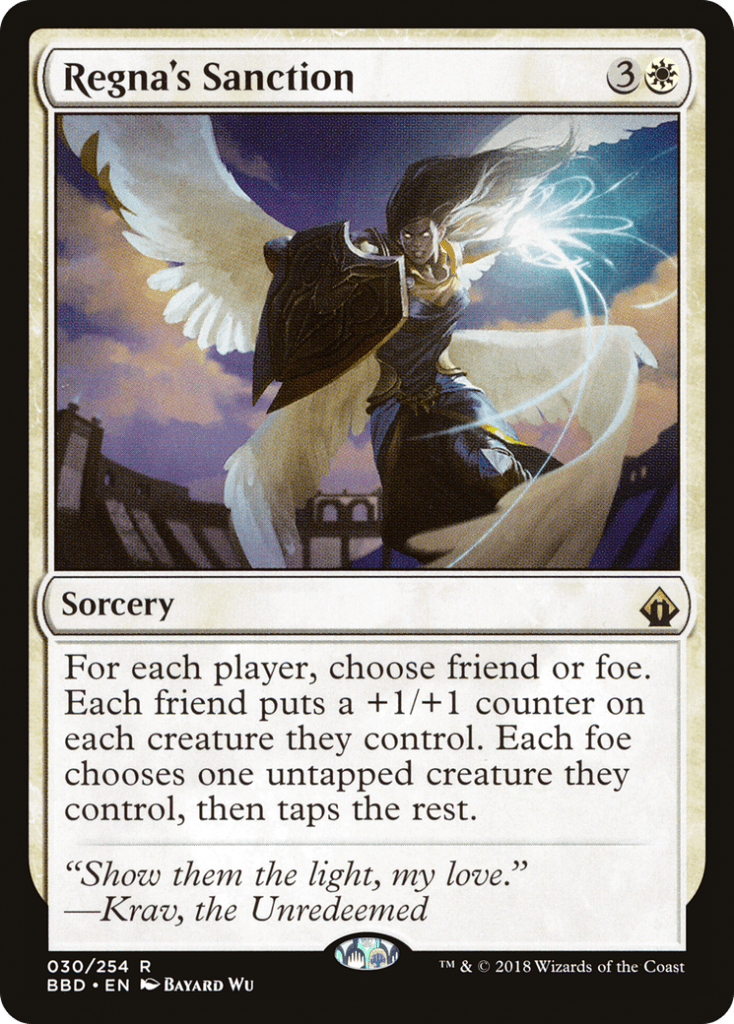
We can use a combination of Fog effects to keep ourselves from taking any combat damage, but that won’t help us win too often if we do want to win, but something like Regna’s Sanction also works pretty well because for each player we can designate friend or foe and for each friend we choose we put a +1/+1 counter on each creature they control and for each foe we choose an untapped creature they control and then tap the rest, and then we can potentially swing with a decent number of creatures or just Gluntch if we’ve slowly been putting +1/+1 counters on them to win with Commander damage.
In Conclusion
The interesting thing about group hug decks is that they are tuned in a way to make sure that every player is given better odds at winning the game, while also gaining some sort of advantage on your part.
I am all for being the provider of benefits to everyone and not win games because there are times when I enjoy playing games more than I do winning games, which I’m sure I’m not the only one who feels like this.
This deck will not win often, or even at all, even if you include the options that can give you a better shot at winning, and there are times when opponents will get you out of the game in order for you to stop giving benefits to other players.
I think that having lower powered decks that give everyone a chance to play and potentially win the game is a nice deck to have in your back pocket, especially if you are playing with newer players who aren’t as experienced in deck building or understanding how to play the game.
One of the unmentioned benefits of playing group hug decks, in my opinion, is helping newer players getting interested in playing the game by actually giving them the resources to play the game in the form of card draw and mana.
New players will likely continue playing the game if they are able to do the cool thing that they want to do, and group hug makes it easier for that to happen, and for me personally having fun is much more important than winning.
Thank you for reading, see you all next time!
Happy Holidays!
From, J.M. Casual
Socials
Bluesky: @jmcasualnerd.bsky.social
Ko-Fi: ko-fi.com/jmcasual
YouTube: youtube.com/@jmcasualguy
Twitch: twitch.tv/jmcasual
 J.M. Casual Blog
Leave a comment