
Hello and welcome to the Magic Super Cube!
This is the blog where I take a look at the various sets that have been released in Magic’s history that have been Standard legal or would have been Standard legal had the format existed and make probably the largest Cube out of the cards that I have picked.
Today we are taking a late look at Planeshift, a set that was a lot harder to pick cards from than I had originally expected, even though the set only has 143 cards, and part of the reason why this became difficult was because multicolored cards are starting to become more of a mainstay, which makes space a little tighter.
Nonetheless I managed to have some picks that I think are pretty good for the Cube in the long run, even though there is one cycle that acts as a through line for the picks.
Let’s get started!
White
Starting things off with white, this was one of the easier colors to pick from, though there was still a bit of difficulty with it, a theme you will see throughout the other colors as well.
The creature spell is where we first notice that there is a particular cycle of cards that come in the five colors that I thought would help improve the Cube in terms of making multicolor strategies a bit easier to use.
The noncreature spells provide another series of spells that provide a bit of an interesting potential for some control strategies, with one being more of an overt control card in preventing your opponent from interacting with you and a card that can reward you by protecting your creatures by playing a more varied land base.
My picks for white are Dominaria’s Judgement, Orim’s Chant, and Sunscape Familiar.
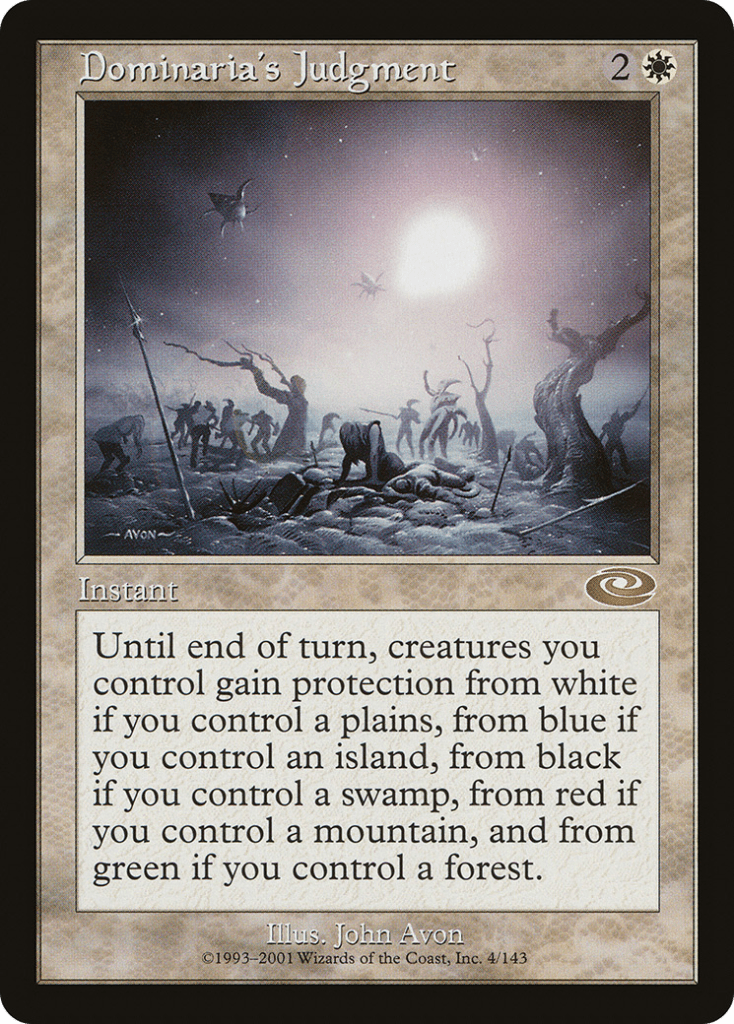
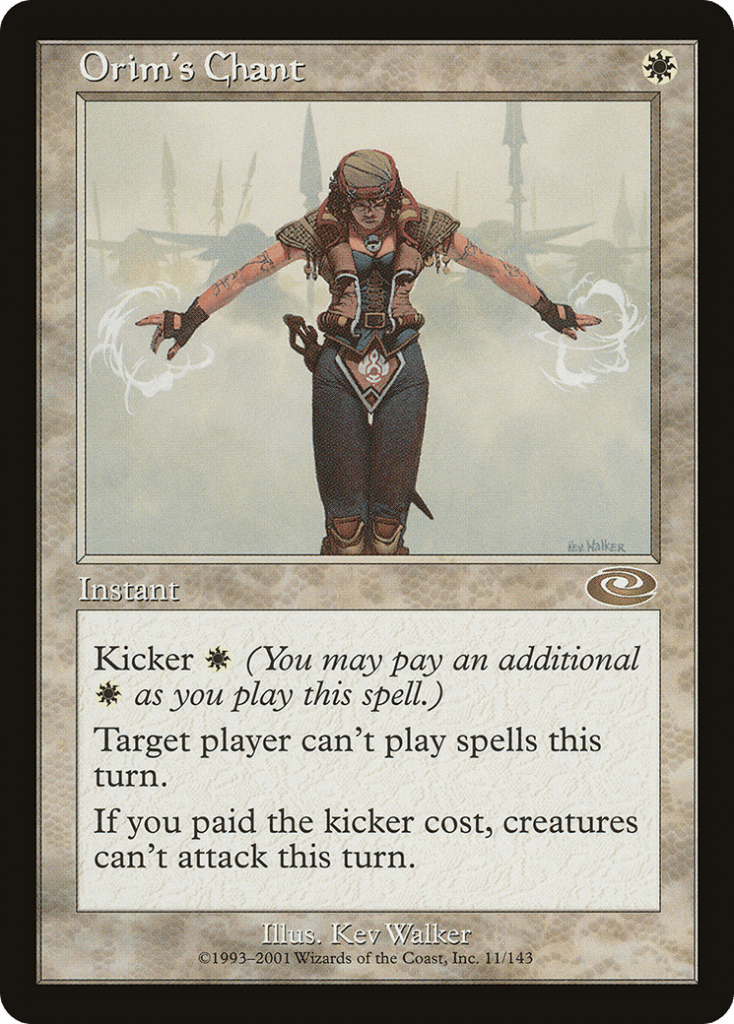
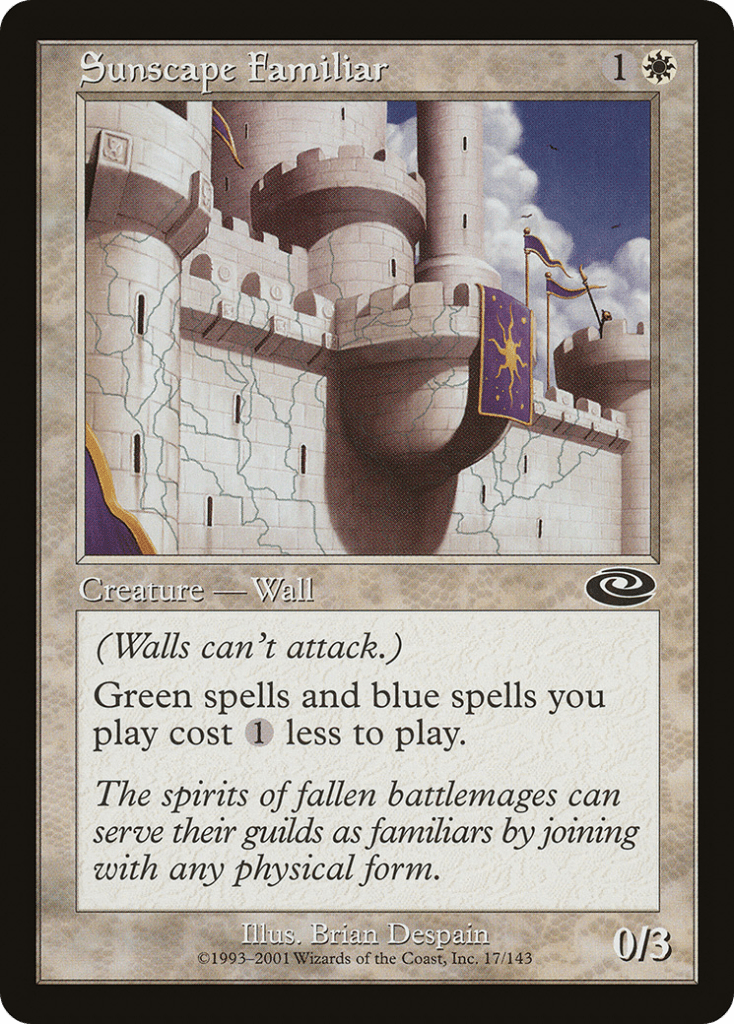
Blue
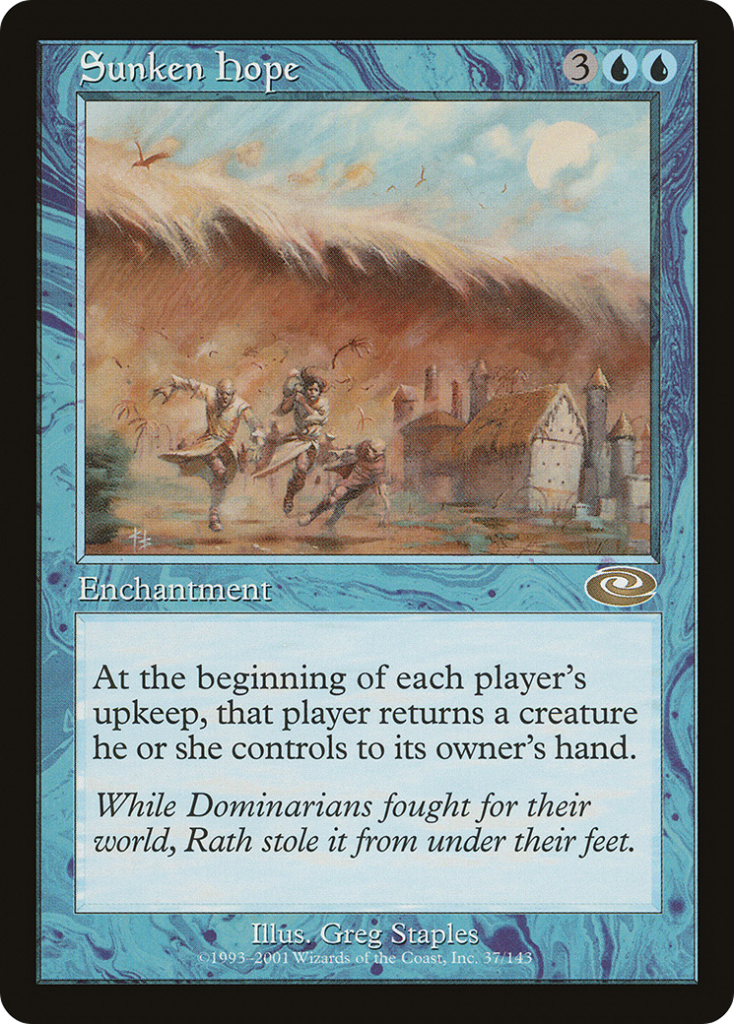
Blue as a color was in the middle in terms of picking which cards I wanted for the Cube.
The noncreature spell choice was a little on the tougher side of things, especially since there was a bevy of potential counter spell options to choose from, but I decided that the more interesting pick would lean more in the control side of things by picking a card that punished creature dependent strategies.
The creature spells were a little easier, with one being a part of that cycle of creatures, and the other being a creature that also happens to punish creature dependent strategies, but only for a specific color which I think adds an interesting layer to decision making.
My picks for blue are Hunting Drake, Stormscape Familiar, and Sunken Hope.

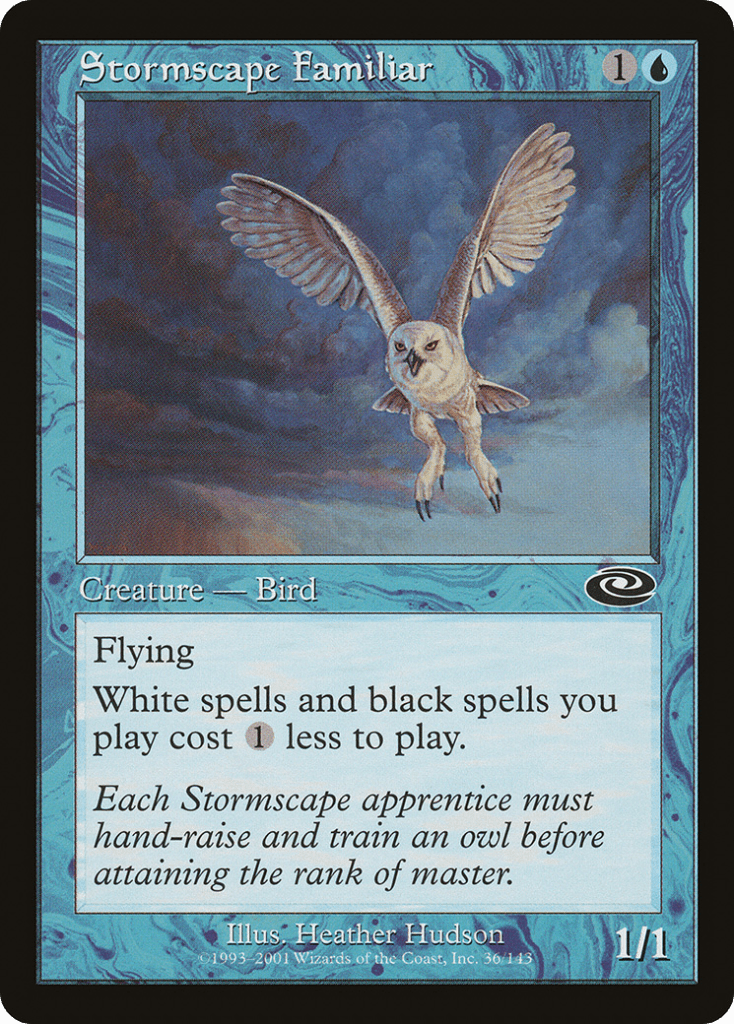
Black
Of the five colors, I would say that black was the easiest color to pick from.
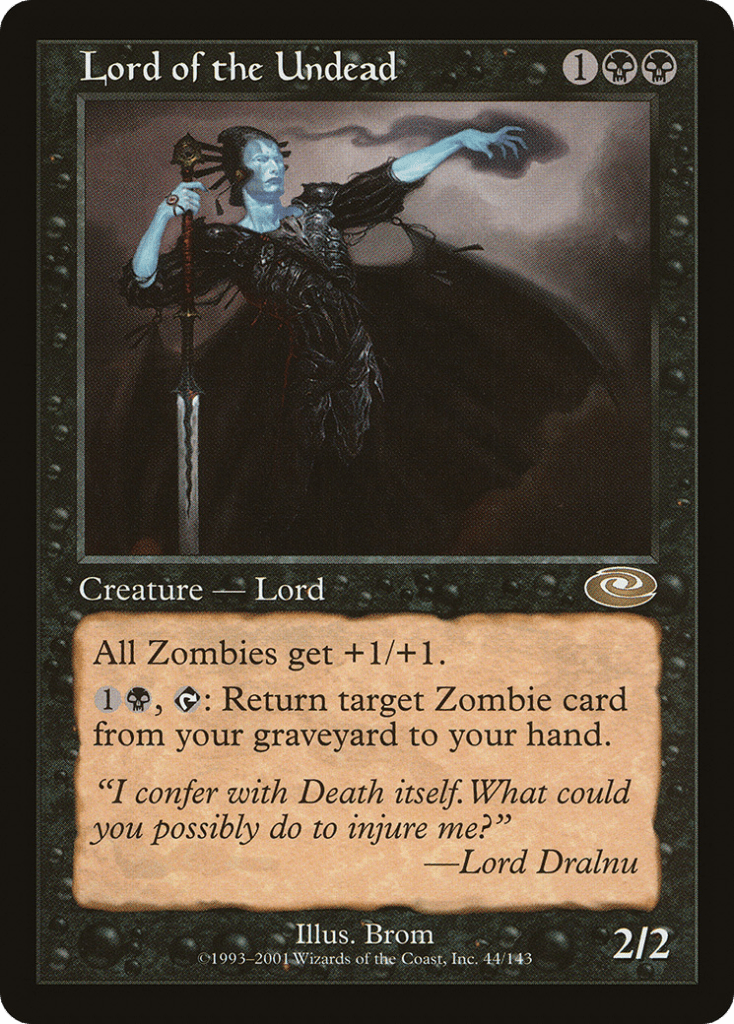
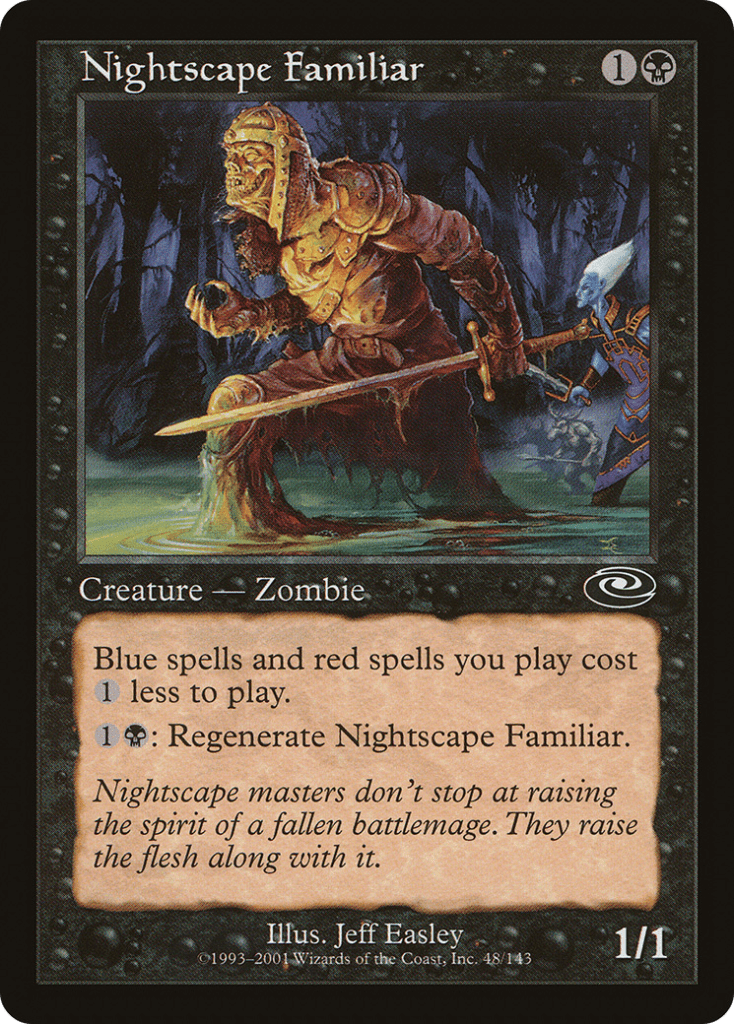
The creature spells continue the pattern of picking from that cycle of creatures, and then the other happens to help with a typal strategy that I want to help develop more with the pick being a creature lord and allows for some recursion for that creature type.
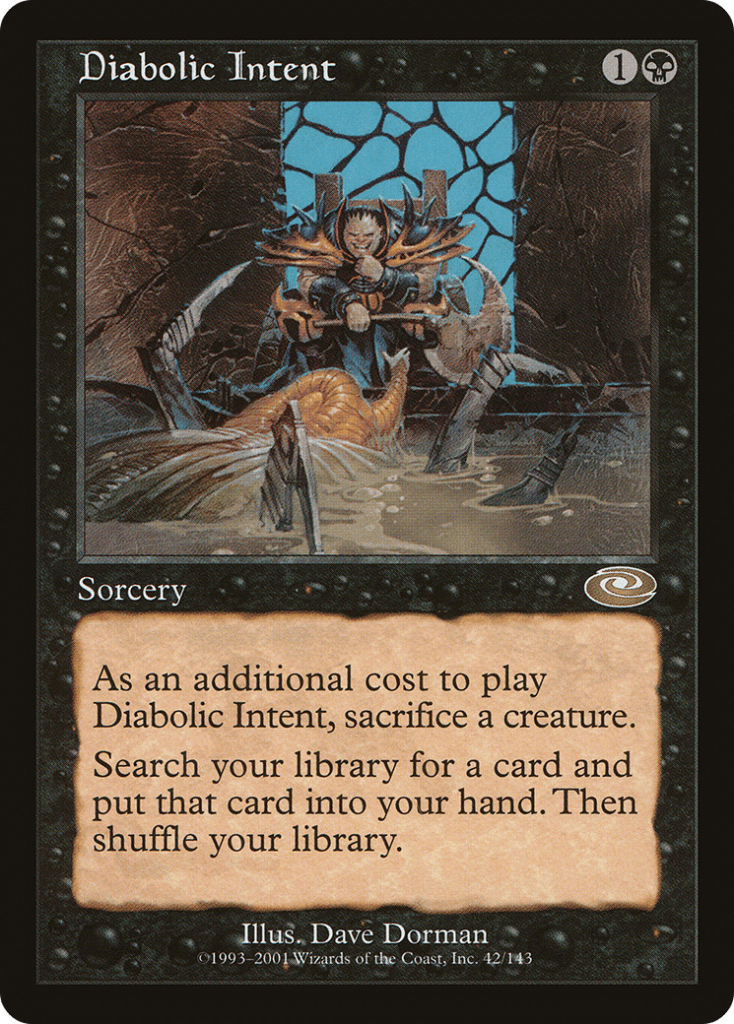
The noncreature spell made black the easiest color to choose from because once I found out that this card made it’s debut in this set, I had to pick it because it is a tutor that can also help with sacrifice strategies.
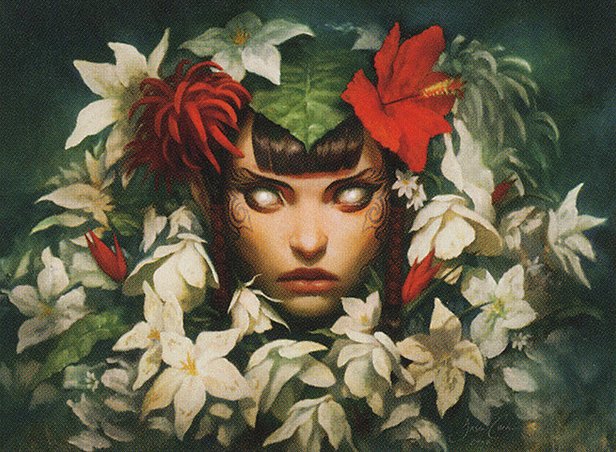
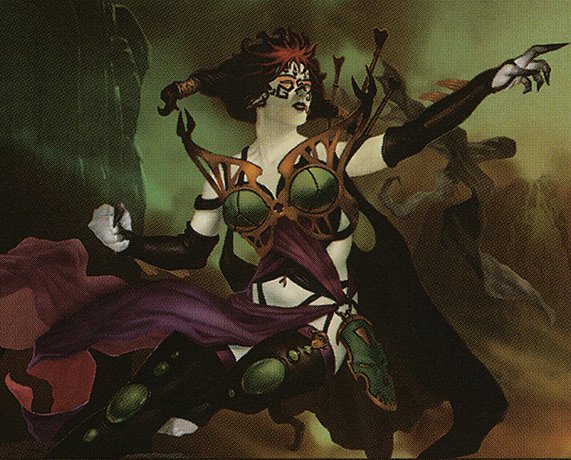
My picks for black are Diabolic Intent, Lord of the Undead, and Nightscape Familiar.
Red
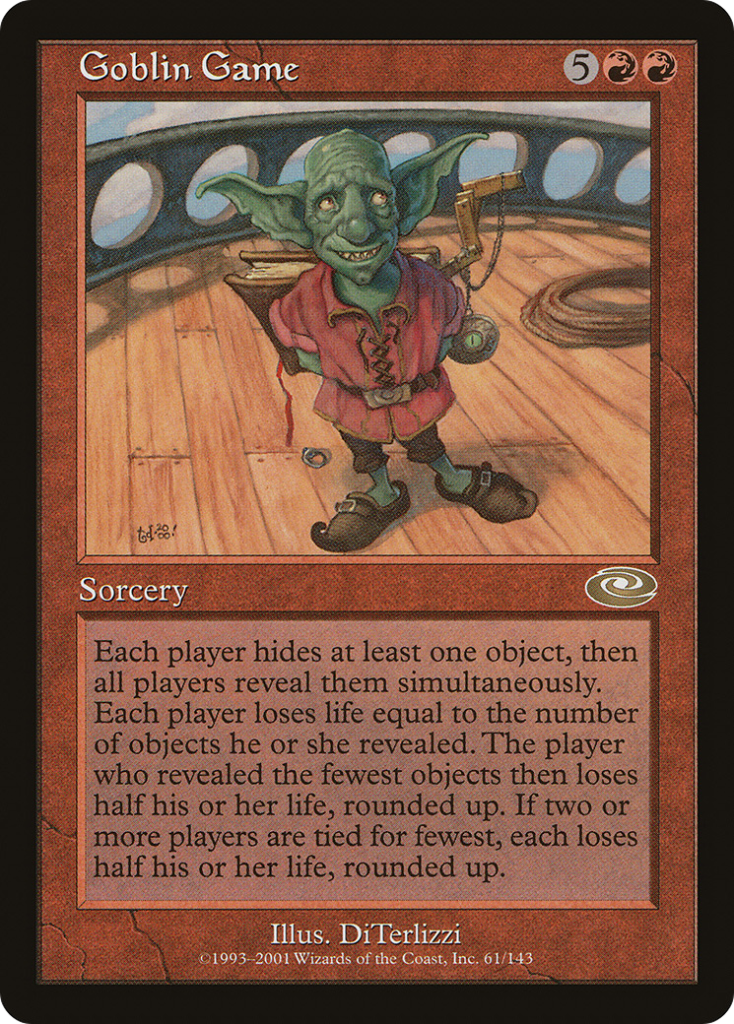
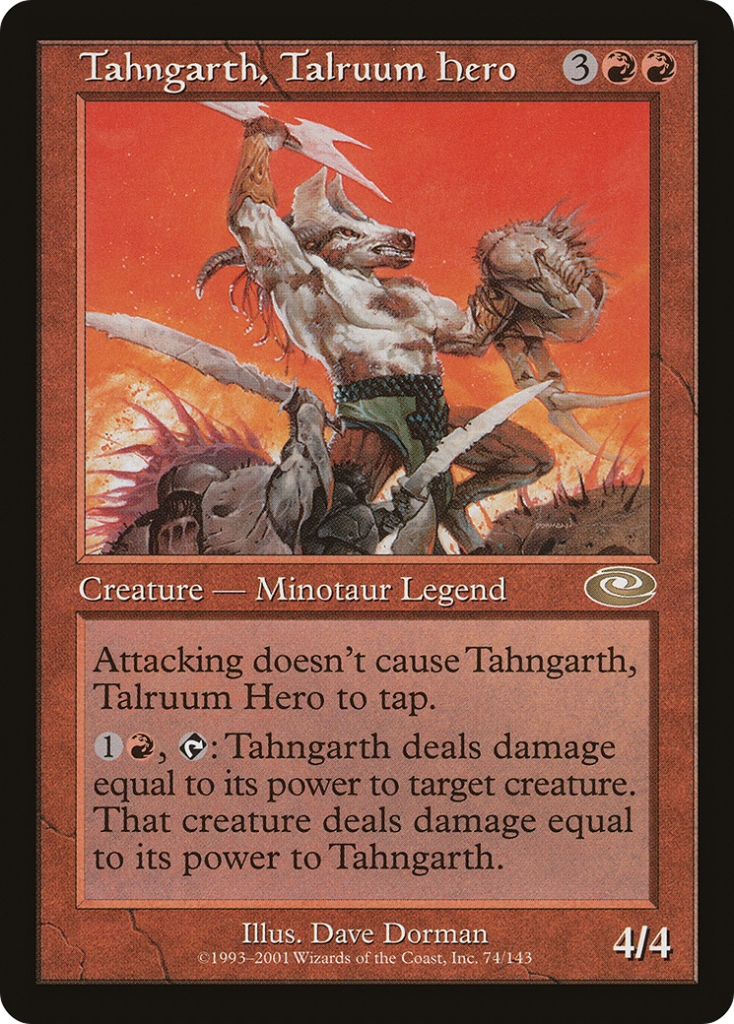
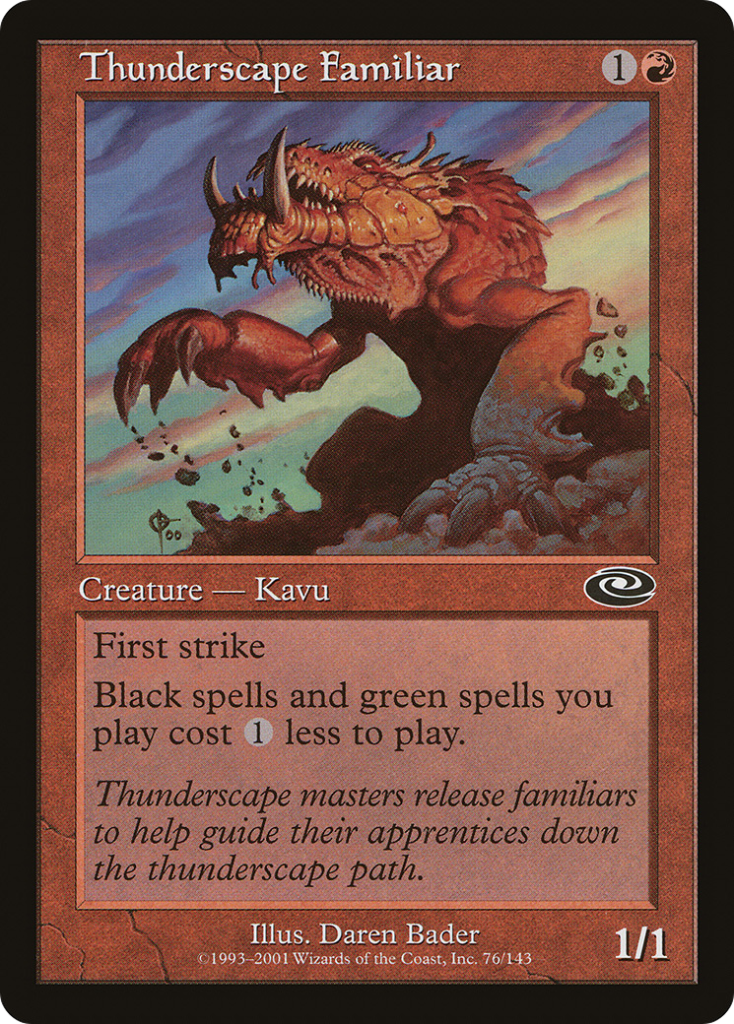
If I had to rank how red was in terms of ease of picks, I would say that red was the hardest to pick cards from.
This actually came from the creature spells, where other than the creature from the cycle, I actually went back and forth between two creatures and ended up picking a creature that has an unusual keyword ability for red and has an ability that can be used in interesting ways if played creatively.
Speaking of creatively, the noncreature spell I picked is a way for red to potentially have an opponent lose a lot of life, but needs a bit of creativity and mutual agreement from everyone playing in how to actually determine how the card resolves, which I personally enjoy.
My picks for red are Goblin Game, Tahngarth, Talruum Hero, and Thunderscape Familiar.
Green
Green was the second hardest of the five colors to pick from, which again isn’t saying too much because the five colors all had a bit of difficulty attached to them.
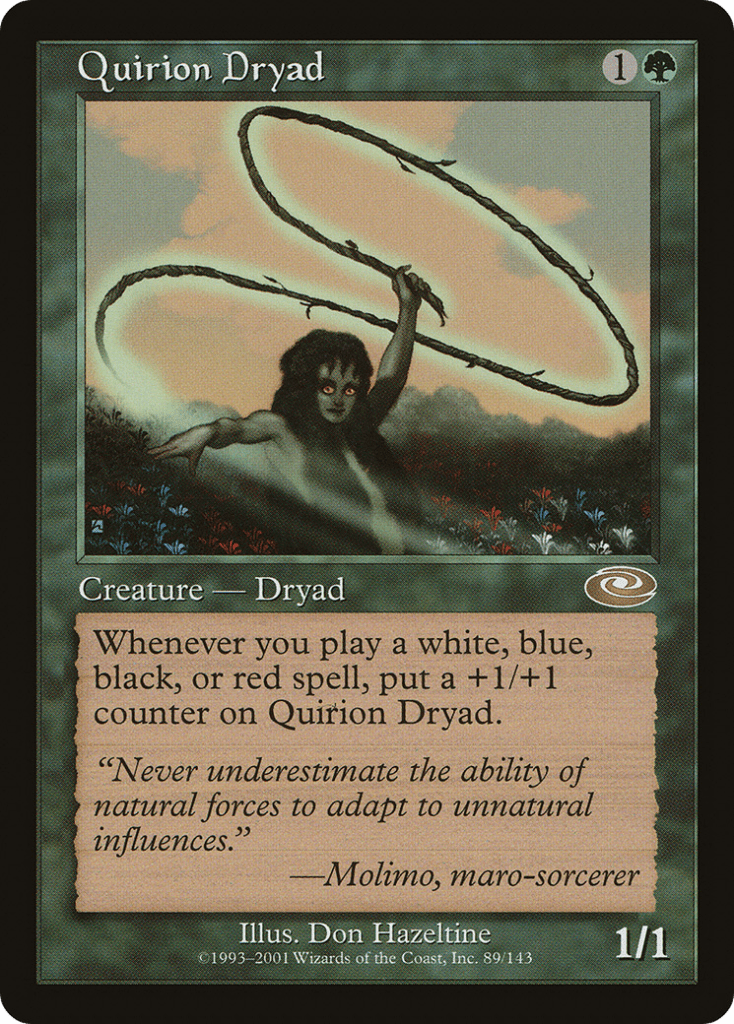
While there was some ease in the creature spells because of the cycle of creatures that each of the five colors had, the other creature I chose also gains a benefit if you happen to play spells that are a different color than green.
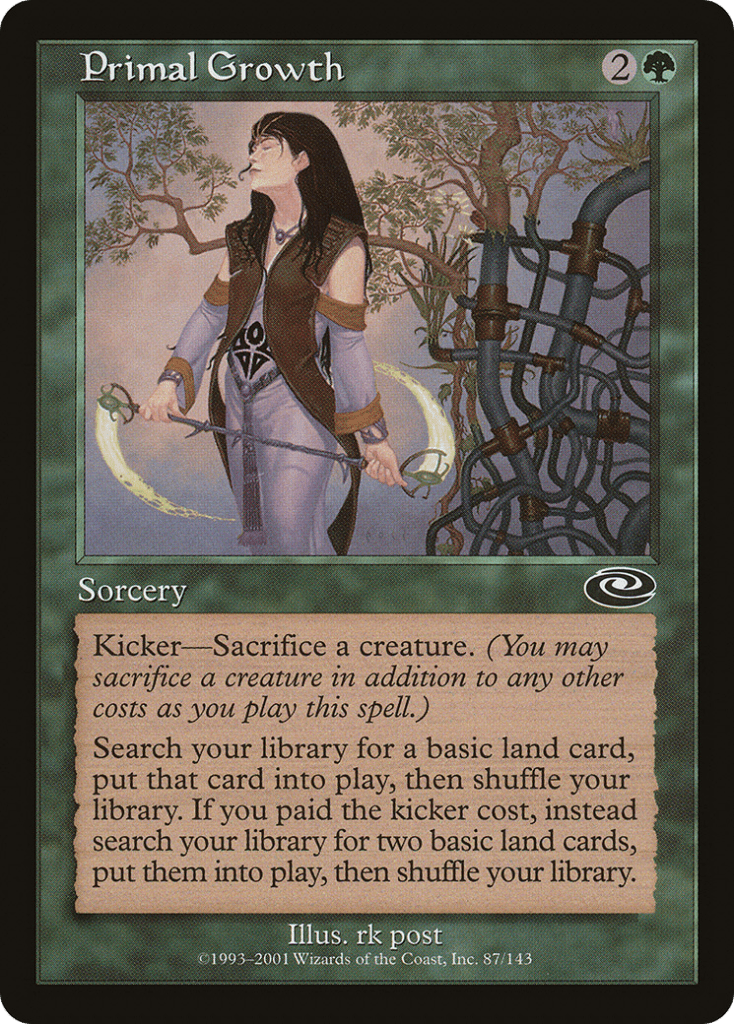
The noncreature spell was the tricky part because there plenty of interesting option, but I ended up picking a ramp spell that has an additional cost that can potentially help in a sacrifice strategy if you want green as an option.
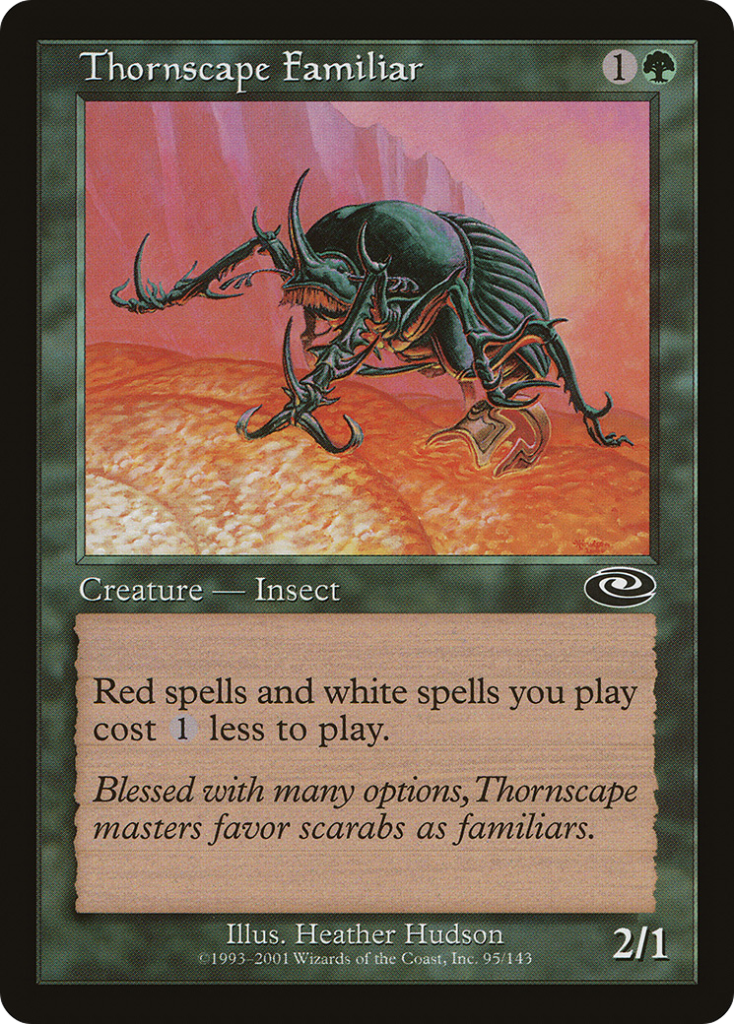
My picks for green are Primal Growth, Quirion Dryad, and Thornscape Familiar.
Artifacts and Lands
One of the things that makes picks hard when concerning multicolor, especially as we continue on in the Cube, is that it makes space much tighter for lands and artifacts, especially since I want to add a few more multicolor cards to compensate from not having them the last few sets.
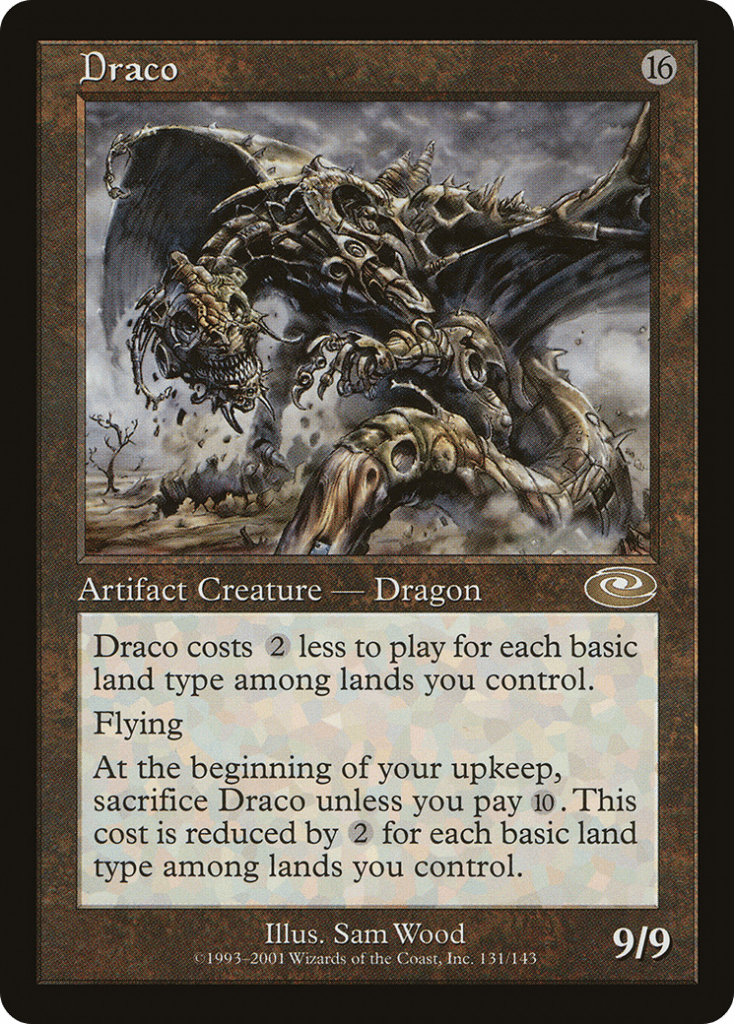
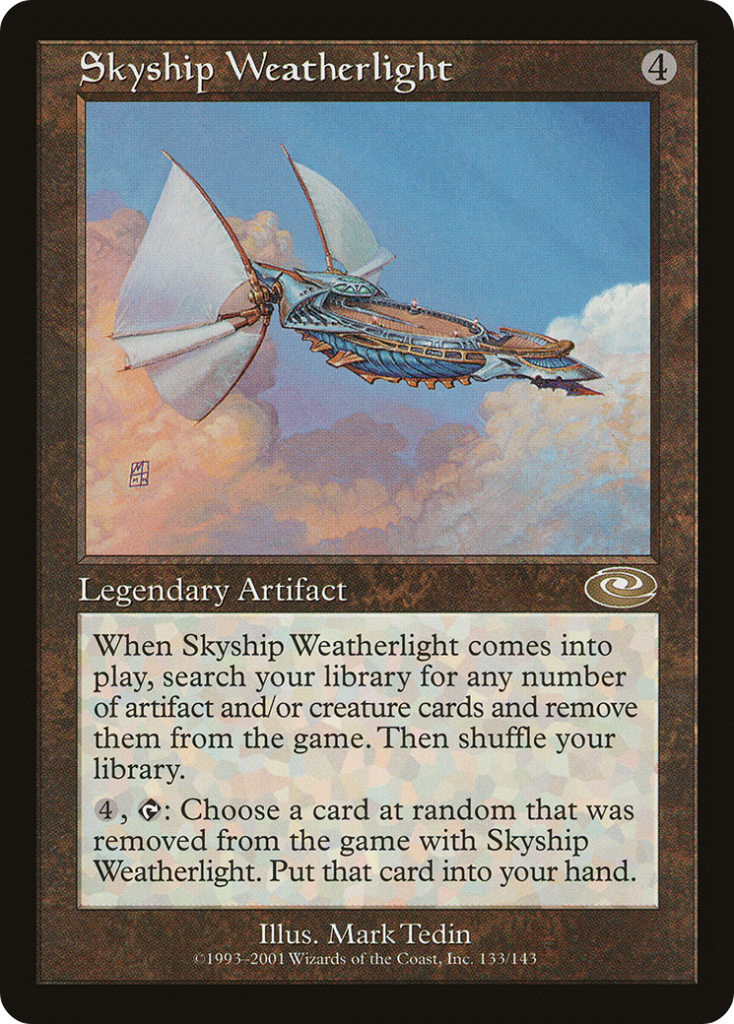
This is slightly helped by there not being too many artifacts to choose from, and I ended up picking a creature that gets cheaper based on how many basic land types you are playing and an interesting way to tutor for artifact and creature cards, though there is a lot of mana that needs to be used for it to be effective.
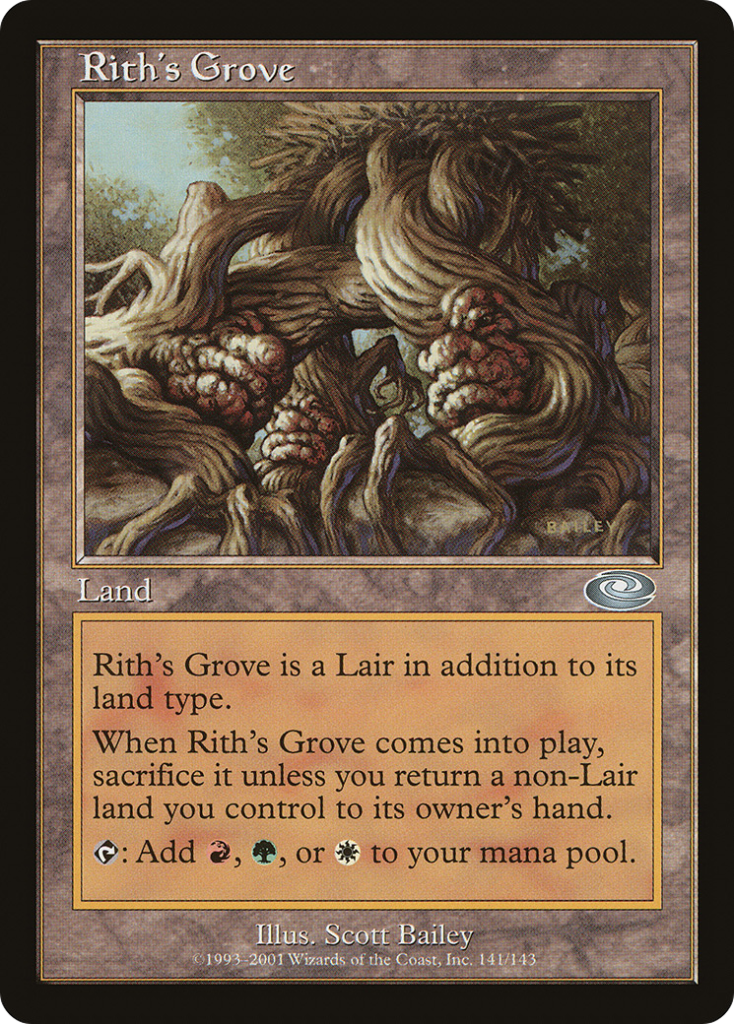
While there was a land cycle for me to pick from, there was an individual land that I wanted to pick, but ended up deciding against it in the end because of how tight the space for choosing cards was.
My picks for artifacts are Draco and Skyship Weatherlight and my picks for lands are Dromar’s Cavern, Crosis’s Catacombs, Darigaaz’s Caldera, Rith’s Grove, and Treva’s Ruins.
Multicolor
As was the case in Invasion, this was the hardest of all of the options to make picks from.
Like Invasion there are several cards in the allied color pairs along with the three color shards, of which for the three color options there was a cycle of cards I was tempted to pick from, but decided against it because I wanted more variety in the two color options.
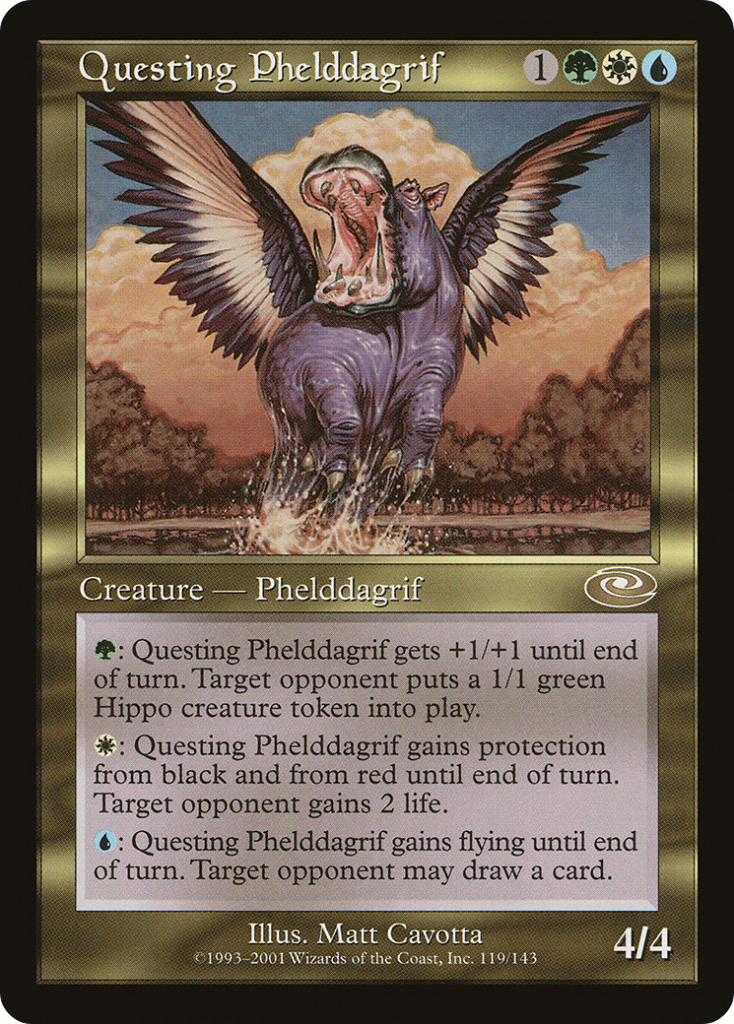
Speaking of the picks I chose a creature that is a very specific control piece that requires a bit of prior knowledge to play effectively, a repeatable way to have an opponent keep discarding cards while advancing the game state, a well known creature removal spell, a modal removal spell for artifacts and/or enchantments, a cheap creature tutor, a creature that can be strong in a sacrifice based control strategy, a card that can punish drawing a lot of cards, and a very rare creature type.
My picks for multicolor are Meddling Mage, Doomsday Specter, Terminate, Hull Breach, Eladamri’s Call, Ertai, the Corrupted, Phyrexian Tyranny, and Questing Phelddagrif.


In Conclusion
This set was a lot tougher to pick cards from than I originally thought, and that primarily comes from the rules I had originally set up and while it does make me want to reconsider my picks from all of the other sets, I am sticking with my guns and maintaining my original rules.
When we come back to the Cube, we will be taking a look at another Core set to hopefully help add some solid and reliable cards, as well as some cards that weren’t chosen from prior sets and add them to the Cube because of those previously mentioned restrictions.
As usual, here is the Moxfield link to keep up with all the cards in the Cube!
See you next time!
Peace,
From, J.M. Casual
Socials
Bluesky: @jmcasualnerd.bsky.social
Ko-Fi: ko-fi.com/jmcasual
YouTube: youtube.com/@jmcasualguy
Twitch: twitch.tv/jmcasual
 J.M. Casual Blog
Leave a comment