
Hello and welcome to Weekly Commander!
Today we are going to be talking about Hama, the Bloodbender!
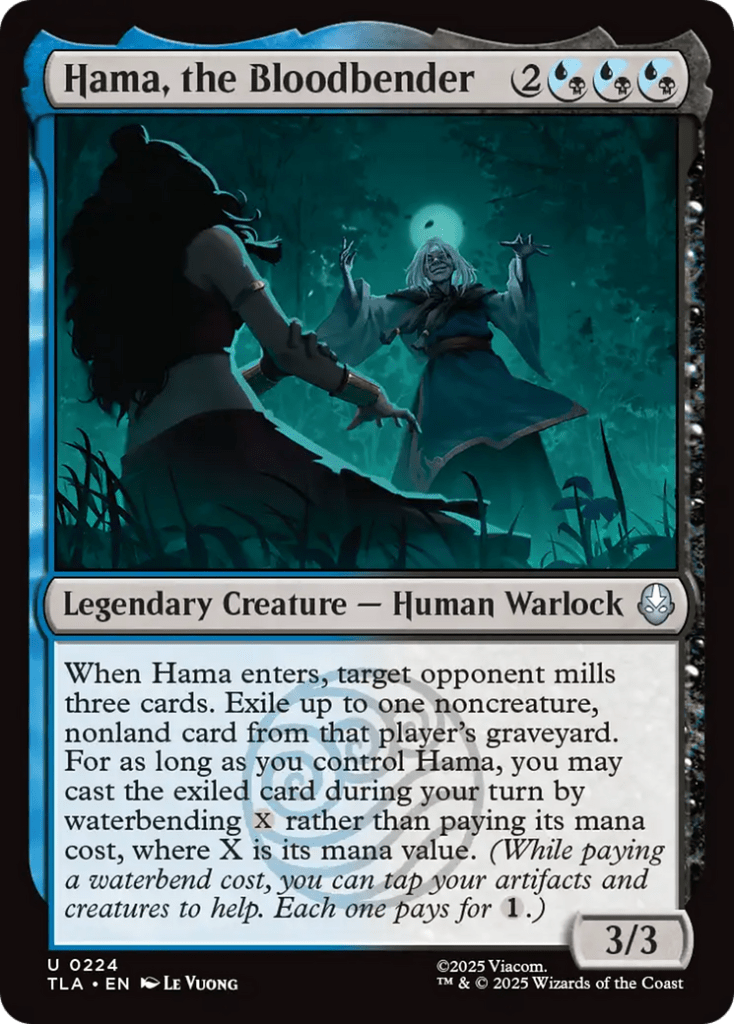
Hama is a five mana 3/3 that when she enters, target opponent mills three cards, then exile up to one noncreature, nonland card from that player’s graveyard and for as long as you control Hama, you may cast the exiled card during your turn by waterbending X rather than paying its mana cost, where X is its mana value.
To close out the focus on the Avatar Commanders, I decided to look at one of the uncommon Commander options and Hama seemed to be one of the more interesting ones. While a theft Commander is nothing new, the fact that we can waterbend to pay the cost of the spell does open a few things up.
While the primary game plan is to steal our opponents things, we can also take advantage of some of the more unique ways we can get repeated use of Hama’s ability, have a mill sub strategy, as well as making sure that we have creatures and artifacts that can help pay the waterbend cost of the spells that we want to cast, especially if we get to hit a big spell off of an opponent.
Waterbend “Ramp”
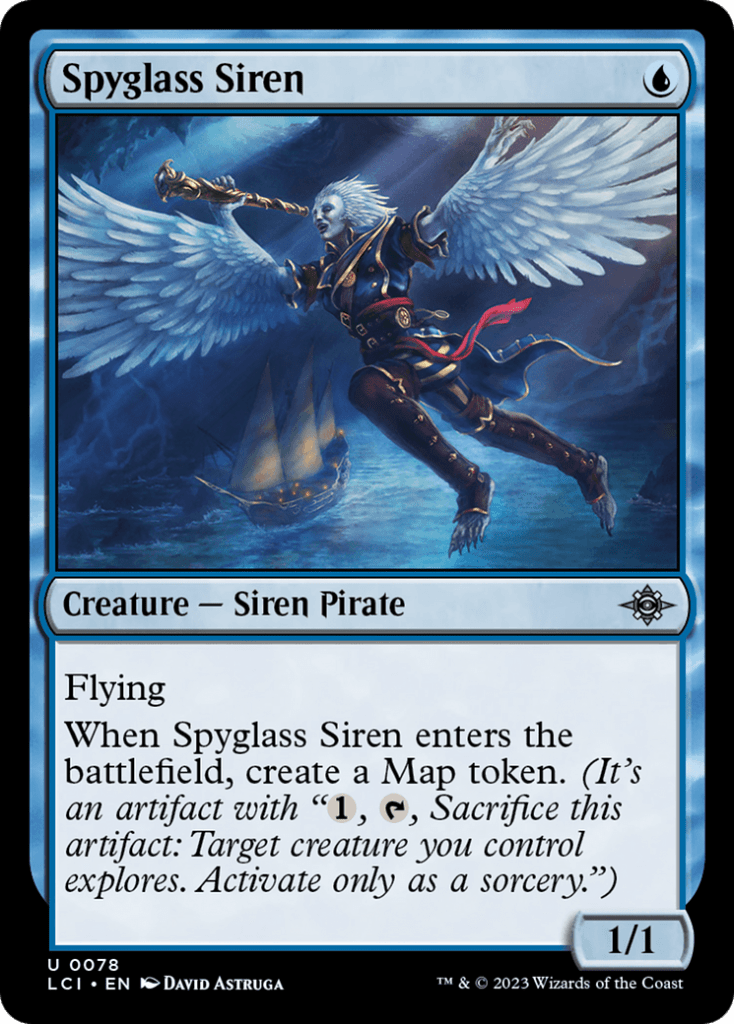
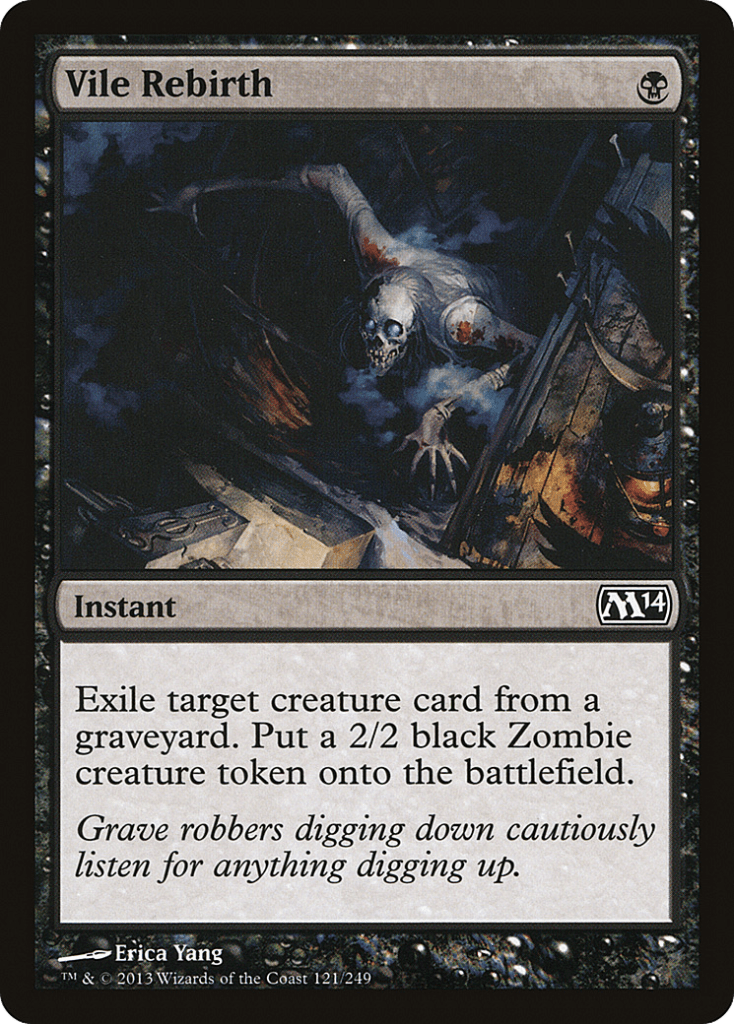
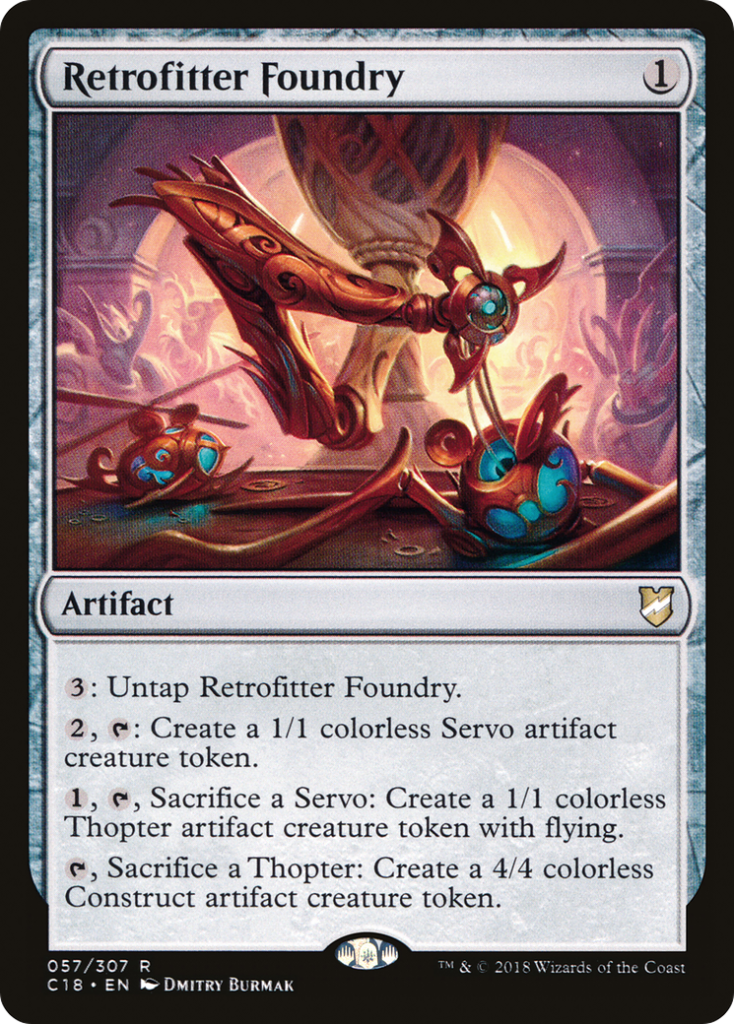
The first thing that we want to do is to make sure that we can have a board full of creatures and artifacts that can help pay for the waterbend cost of the spells we take.
Spyglass Siren is one of the cleaner examples of this because when it enters it makes a Map token, which for one can help pay for our waterbend costs, or if we are in a bind we can sacrifice to explore and potentially get a land or make a creature we control a bit stronger.
Since Hama can’t target creatures in the graveyard, we can use Vile Rebirth as a way to exile a creature from a graveyard and get a 2/2 Zombie token out of it. While not an instant, Shamble Back can also be used as a way to exile a creature from the graveyard to get a Zombie, but we also gain 2 life from it.
If we want to make use of any creatures our opponents have in the graveyard, then we can definitely make use of Dimir Doppelganger, which for three mana let’s us exile a creature from a graveyard and make Dimir Doppelganger a copy of it with the copy ability, meaning that if we mill an good creature that an opponent has we can steal it for value.
As far as other repeatable token generators, Retrofitter Foundry is perfect for us because we can tap it to make a Servo, which can then make a Thopter, which can then make a Construct, but for us one of the better abilities is that we can untap Retrofitter Foundry, meaning we can use it to make a token and then untap it so we can use it again to either make another token or to help pay for a waterbend cost.
June, Bounty Hunter is also pretty good with the deck, since whenever we’ve drawn two or more cards this turn then she can’t be blocked, and on our turn we can pay a mana and sacrifice a creature to make a Clue token, which if we sacrifice something like a Callous Inspector to deal 1 damage to ourselves and make a Clue token or a Greedy Freebooter to scry 1 and make a Treasure token.
There are other ways to make plenty of tokens, like Hard Evidence to make a 03/ Crab token and to investigate, Nurgle’s Rot to make a 1/3 Plaguebearer of Nurgle token when the enchanted creature dies that also recurs itself, and Bitterblossom as an early way to make a 1/1 Faerie token with flying that can serve to help waterbend our spells or act as early blockers or damage dealers as we work our way to Hama.
Finding Blood
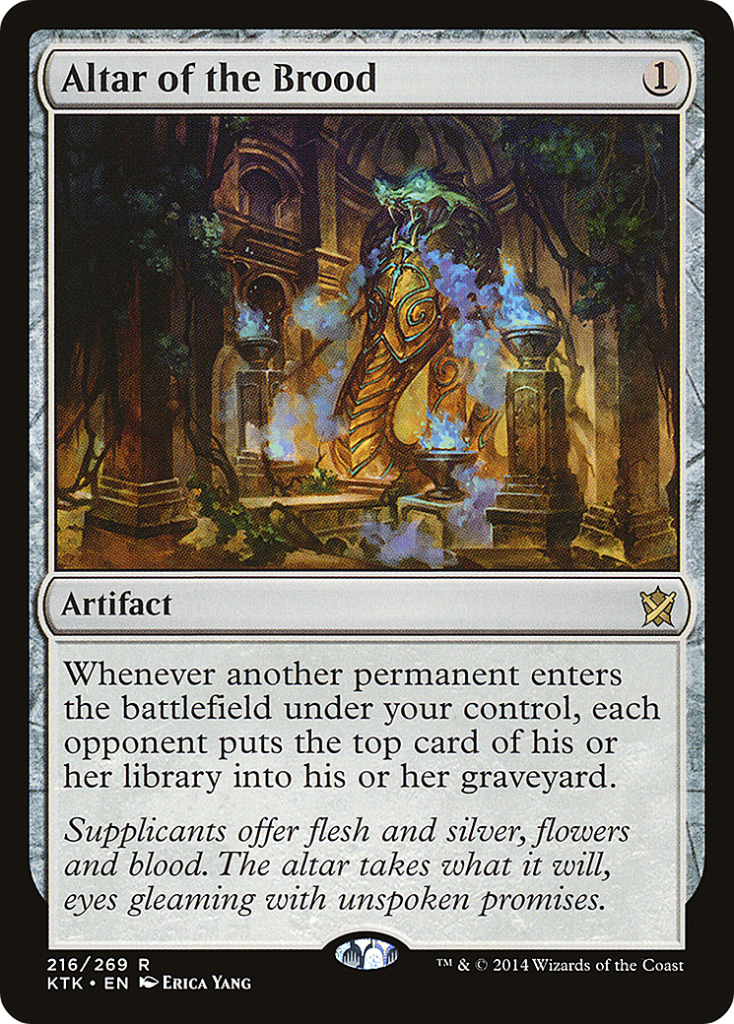
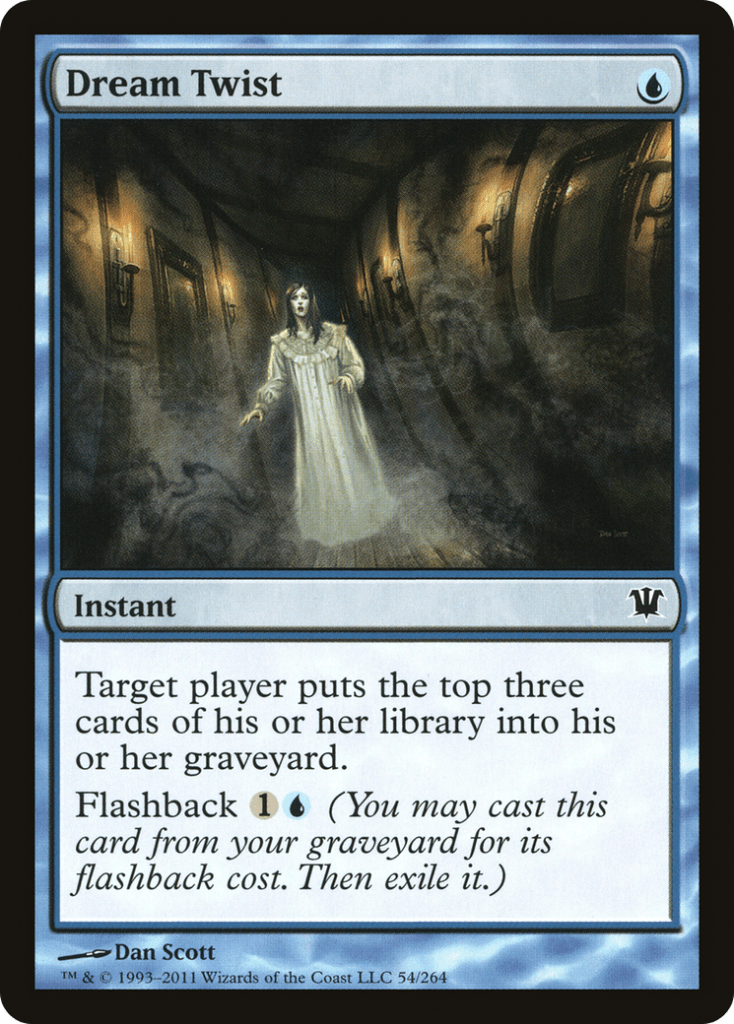
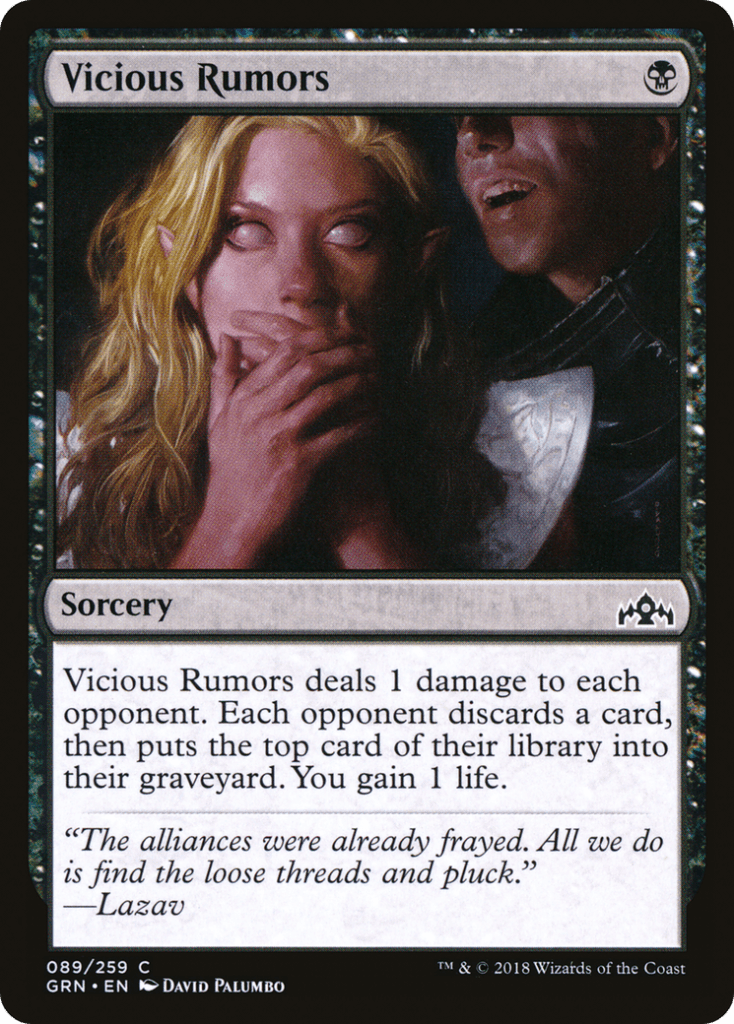
The next thing that we need to look at are additional ways to get cards into our opponents graveyard, because thankfully Hama doesn’t need to use one of the cards milled from her ability, just any noncreature, nonland card from the chosen player’s graveyard.
Altar of the Brood is excellent for the deck because whenever another permanent enters the battlefield under our control, each opponent mills a card. If we get this early enough, cards like the previously mentioned Spyglass Siren makes two permanents and mills each opponent for two. Even a land drop makes our opponents mills a card.
Tinybones Joins Up is an interesting card, because it has any number of target players discard a card and whenever a legendary creature we control enters, any number of target players mills a card and loses 1 life, which for how we want to use Hama can be a pretty interesting way to fuel the graveyards.
There are also plenty of instants and sorceries that we can use to help fuel our opponents graveyards, Dream Twist being a way to mill an opponent for three cards and can be cast from the graveyard for two mana, meaning we can get this started pretty early.
Vicious Rumors is a very strong way to fuel our opponents graveyards, because it has each opponent discard a card, mill a card, and lose 1 life while we also happen to gain 1 life, but getting two cards into the graveyard for one mana is much better for us.
If we want to focus on the mill aspect of the deck, there is also of course Altar of Dementia, which let’s us sacrifice a creature and have target player mill cards equal to the power of the sacrificed creature, which once we’ve found an opponent that has solid potential for us to get a lot of value from, we can fuel that graveyard specifically for some solid target for us to take.
And what better way for us to fuel our opponents graveyard then using Hama herself to do so?
Always Coming Back
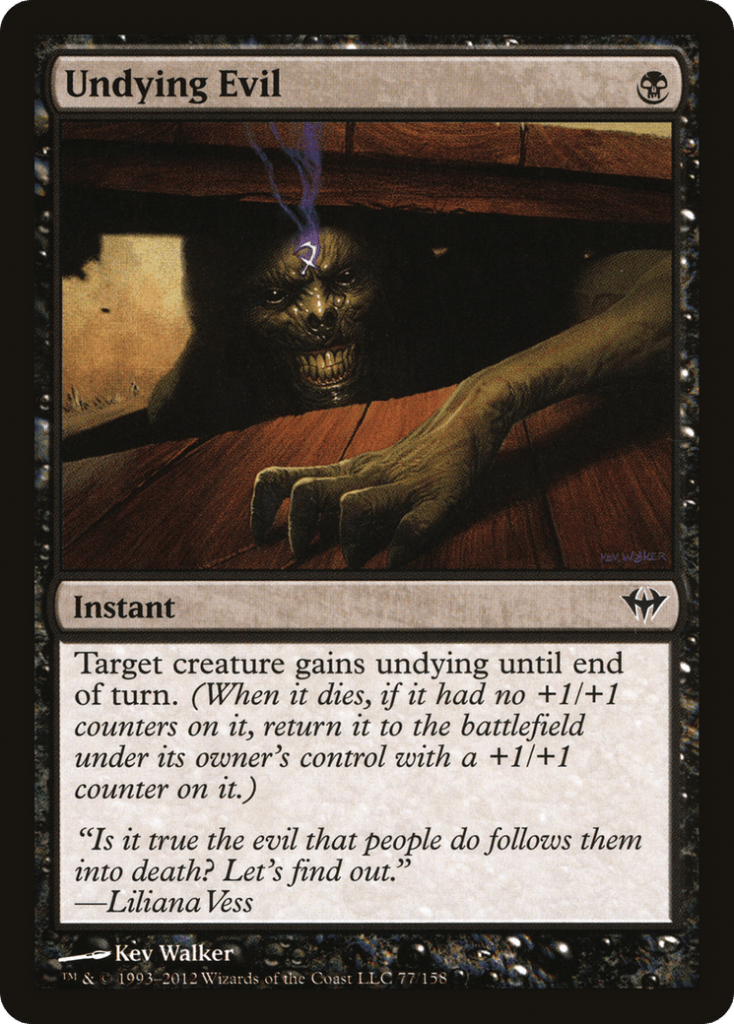
We need to make the most use of Hama being able to take cards from our opponents graveyards, which means that we need to make use of her effect as much as possible.
One of the ways that actually synergizes well with Altar of Dementia as a matter of fact is Undying Evil, which gives a creature undying until the end of turn, which is helpful because with Altar of Dementia we mill an opponent three cards when we sacrifice Hama, then Hama comes back as a 4/4 that also enters and mills an opponent three cards and triggers the theft from that graveyard.
Kaya’s Ghostform is also a great card for us to use, because it is an enchantment that has the creature or Planeswalker it is enchanting come back when it dies or when it gets exiled, meaning that we have a bit of extra protection from exile based removal.
Feign Death makes it so that when the creature it targets dies it comes back tapped with a +1/+1 counter, Ashnod’s Intervention gives a creature +2/+0 and has it come back to our hand when that creature dies or is exiled, and Zero Point Balled has it so that it destroys all creatures with toughness X or less and we lose X life, but if X is six or more then we can bring a creature back from a graveyard onto the battlefield.
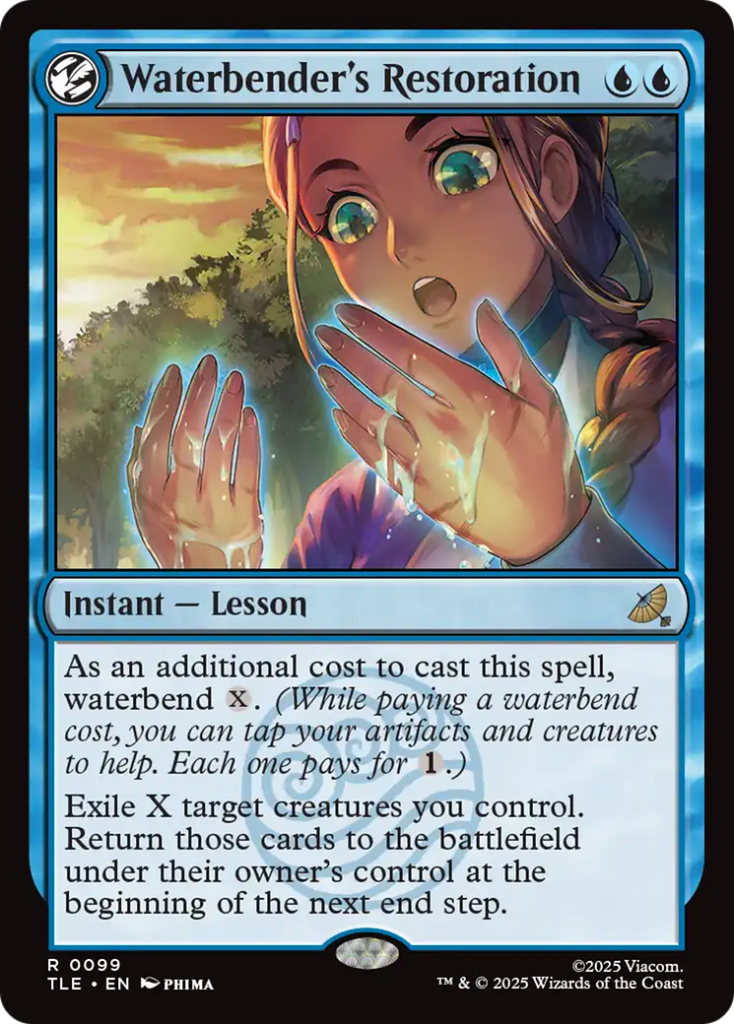
Since we are in blue, we also happen to have access to a couple of cards that can flicker Hama like Waterbender’s Restoration, which as an additional cost has us waterbend X to exile X creatures we control and return them back to the battlefield at the beginning of the next end step, at instant speed which let’s us save our creatures from a board wipe.
Planar Incision exiles a creature and brings it back with a +1/+1 counter, Teferi’s Time Twist does the same but for any permanent we control and returns them at the beginning of the next end step, and Displacer Kitten can also work really well because whenever we cast a noncreature spell we blink a nonland permanent we control, which means that if we can get a solid number of cards in our opponents graveyards, then we can do a whole lot of spellcasting and blinking of Hama.
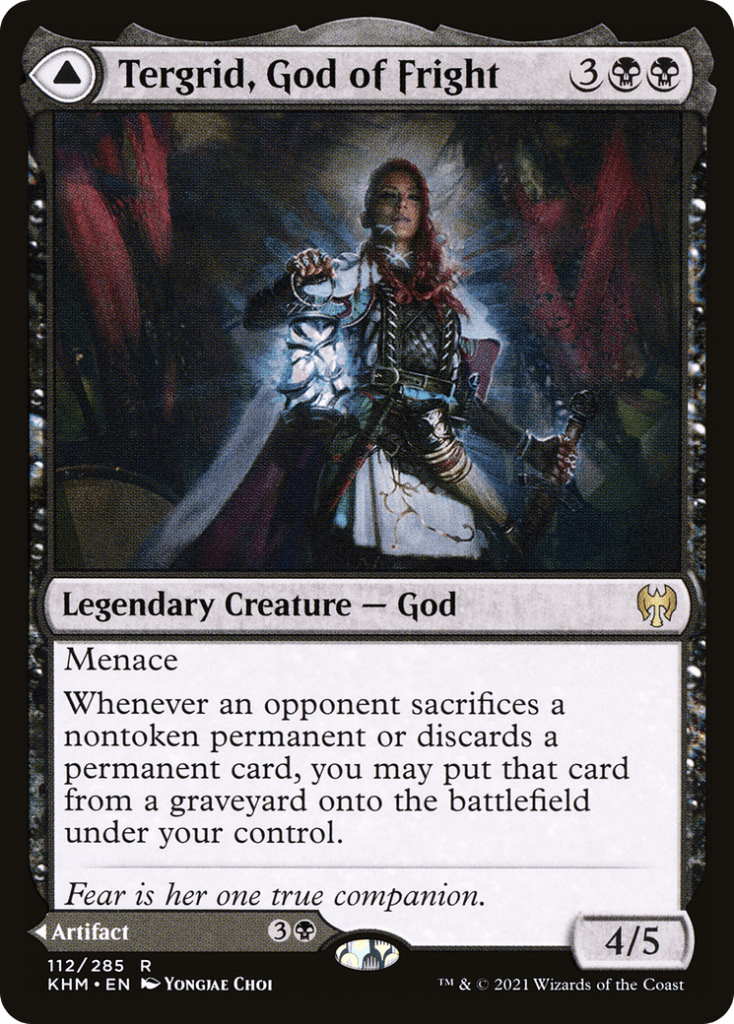
Game Changers are a bit light for Hama, but if we want to get a bit of additional value from our opponents discarding cards or killing their creatures with board wipes or removal that we cast, then Tergrid, God of Fright can be really spooky since we can take a nontoken permanent that they sacrifice or a permanent that they discard and potentially make use of the creatures that we can’t otherwise take with Hama.
If we really want to lean hard onto the theft theme, then we can also use Opposition Agent to control our opponents when they search for a card in their library to exile it and let us play it while it remains exiled or if we want to lean a bit more into the control aspect then we can use Notion Thief to restrict our opponents from drawing too many cards that could potentially remove Hama.
Anything to Win
Now, since our deck is a theft deck our game plan really revolves around what our opponents play in order to gain an advantage, however that doesn’t mean that we don’t have ways to win ourselves.
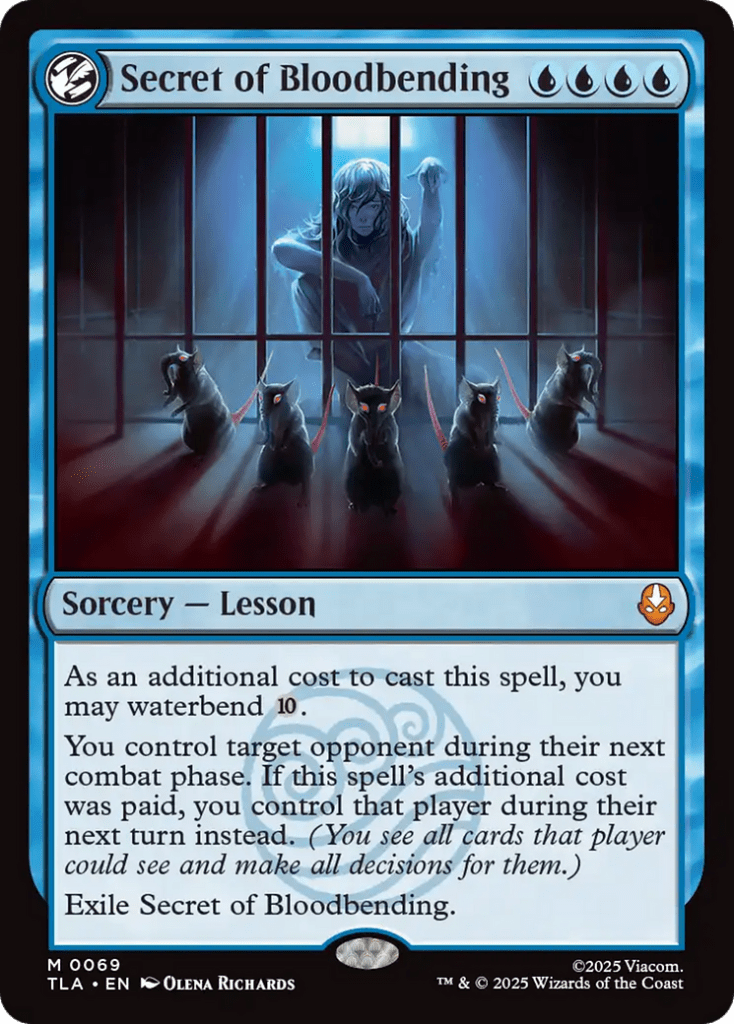
Secret of Bloodbending is a way for us to take advantage of having a lot of things to help pay for the additional waterbend 10 cost, which if we didn’t pay would normally let us control an opponent during their next combat phase, but if we do pay the waterbend cost then we take control of the player during their next turn.
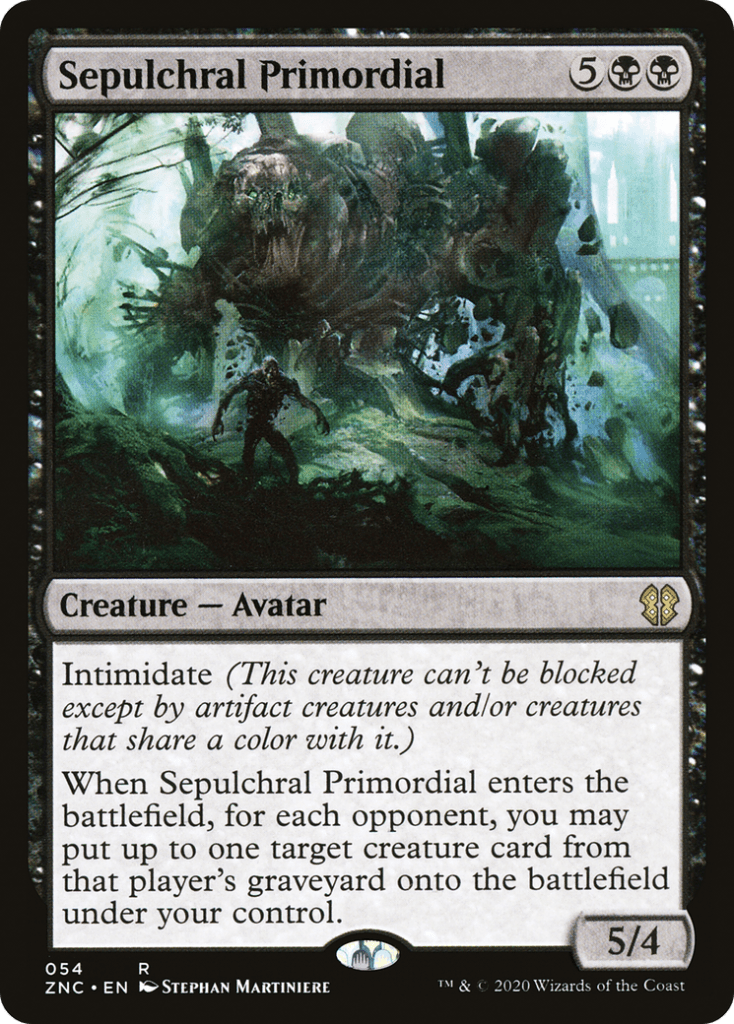
We can also lean pretty heavy onto the mill side of things and while also taking our opponents noncreature spells, we can steal creatures from their graveyards using something like Sepulchral Primordial, which when it enters lets us steal a creature from each opponents graveyard and puts it onto our side of the battlefield under our control.
In a similar vein we can use Rise of the Dark Realms as a way to take all creatures from all graveyards and put them onto the battlefield under our control, though that definitely works better as a way to close out the game and we have heavily milled our opponents.
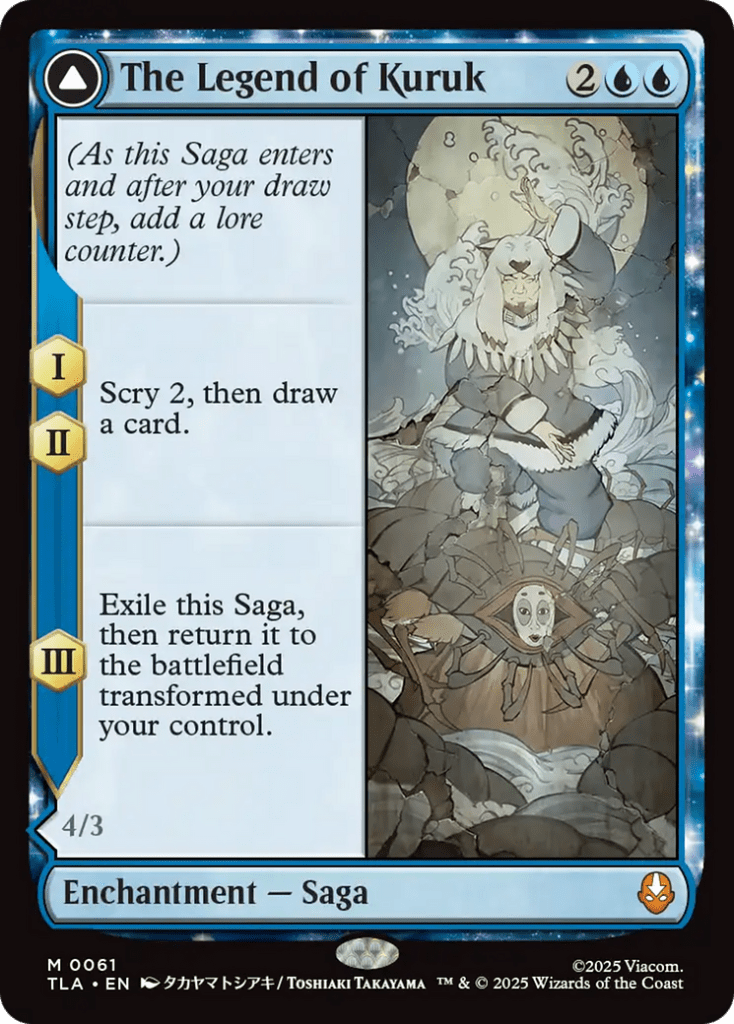
This also helps fuel our waterbending since it adds more creatures to the battlefield, and one of the other excellent ways we can take advantage of waterbending is through The Legend of Kuruk, which would scry 2 and draw us a card twice, but it transforms into Avatar Kuruk, which makes 1/1 Spirit token that can’t block or be blocked by non-Spirit creatures, but more importantly has a waterbend 20 Exhaust ability to take an extra turn.
If we have enough things to help pay the waterbend cost, we also happen to have a ton of things that can flicker Kuruk, meaning that while we do have to go through the Saga again, we can potentially use it as an outlet to get a lot of extra turns, or at the very least use something like Rings of Brighthearth to pay an extra two mana to copy the extra turn ability so we can find ways to maybe loop it.
In Conclusion
Hama is a pretty nifty Commander to get working because while it is a theft Commander, the focus on noncreature spells means that we have to be a bit more creative in how we can take advantage of what we take.
This also means that we need a bunch of artifacts and/or creatures in play in order to be able to help pay for the waterbend cost of any spells that we do happen to steal, which much like improvise or convoke, doesn’t care if a creature just entered the battlefield in order to tap to help pay the mana cost.
The issues come with maintaining such a large board, which can definitely make it so that our opponents will want to clear our board as often as possible.
Hama being removed isn’t too much of an issue since replaying her means we get to mill our opponents more and steal something else, but since she is five mana if she is removed too often and we don’t have a way to bring her back, then the Commander Tax can add up pretty quickly.
What’s more is that her ability is very much telegraphed, and once someone has a good noncreature spell in the graveyard, it can become a race to either remove that spell from the graveyard or prevent Hama from coming into play.
It also doesn’t help that we need our opponents to have things in the graveyard, which can mean that we either help them if they are also playing a graveyard matters strategy or we hurt ourselves if a someone is very diligent about graveyard removal and preventing us from getting anything from an opponents graveyard.
Still, Hama is a neat theft Commander that plays around with a go wide strategy and can provide a decent variety of how games end up due to the nature of it being a theft Commander.
Thank you all for reading, see you next week for the next Weekly Commander!
Peace,
From, J.M. Casual
Socials
Bluesky: @jmcasualnerd.bsky.social
Ko-Fi: ko-fi.com/jmcasual
YouTube: youtube.com/@jmcasualguy




 J.M. Casual Blog
Leave a comment