Hello and welcome back to the Magic Super Cube!
For those unaware, this is where we go through the history of Magic and pick cards from sets that were Standard legal or would have been Standard legal if the format had existed and make a huge Cube from everyone of all those choices.
Today we are going back on course and continuing on after correcting my mistake from last time and going to Alliances, which continued the Ice Age block (which would not continue, technically until Coldsnap) and this was a difficult set.
You would think that the size of the set would be the issue, but that’s not the case since this set has 144 cards, which is a decently sized set. No the issue I had was that there weren’t a lot of cards that I thought were that interesting.
Sure this set introduced a very popular card, which is included more so because of how influential it was in Magic’s history, but otherwise some of the other cards had something left to be desired, in my opinion.
Nonetheless, I did manage to make my picks and today and there were a couple of cards that I think are neat for the Cube to have.
Let’s get started!
White
To begin the difficulties, we had white which had some interesting choices for noncreature spells, but not so much creature spells.
For the creature spell I decided to start choosing a couple of cards that happened to work well with other colors rather than hate on them, and the creature reflects this.
The noncreature spells were interesting picks because I decided to go with an overcosted removal spell and an undercosted recursion spell that would go well with future decks as well as deepen some of the choices in the Cube.
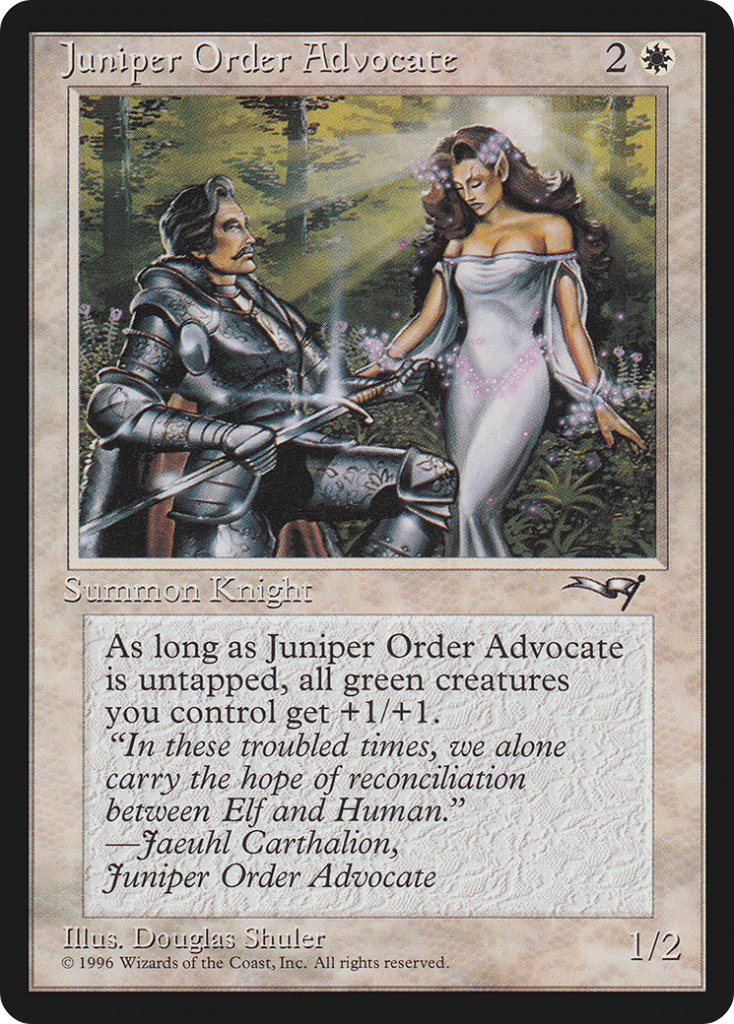
My picks for white are Exile, Juniper Order Advocate, and Reinforcements.


Blue
My picks for blue were one of the easier picks, but for different reasons than normal.
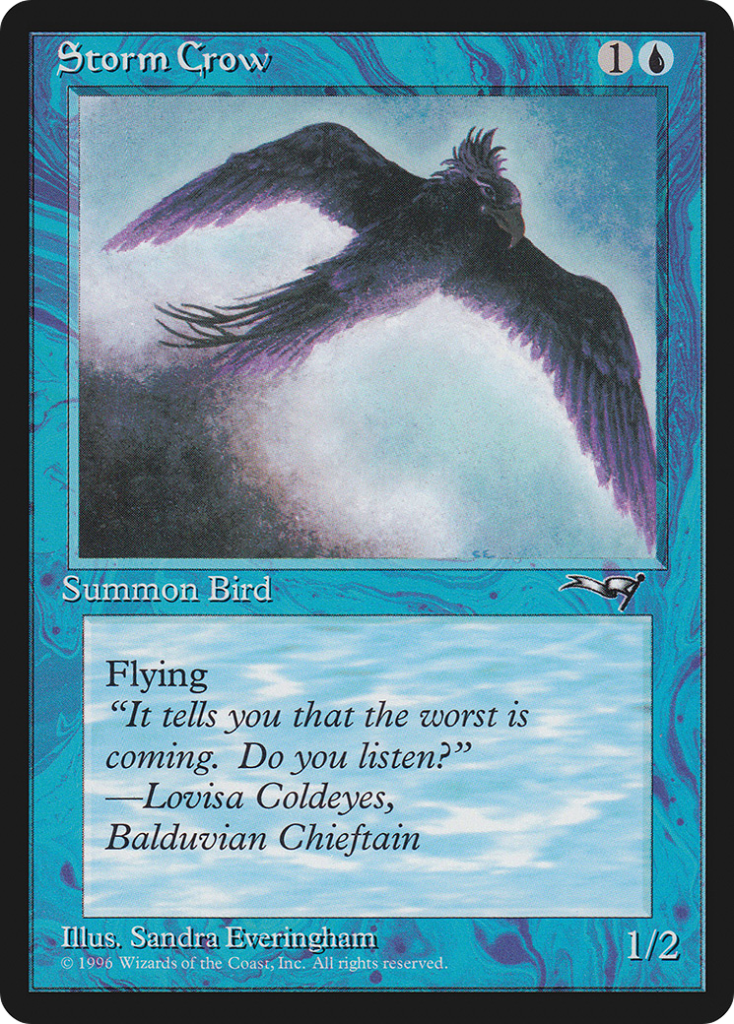
The one creature pick I made for the deck was purely because it is an iconic meme creature and one that I think picking early would be better than picking later in a Core Set because it helps me establish more themes when I hit Core Sets rather than picking a meme card.
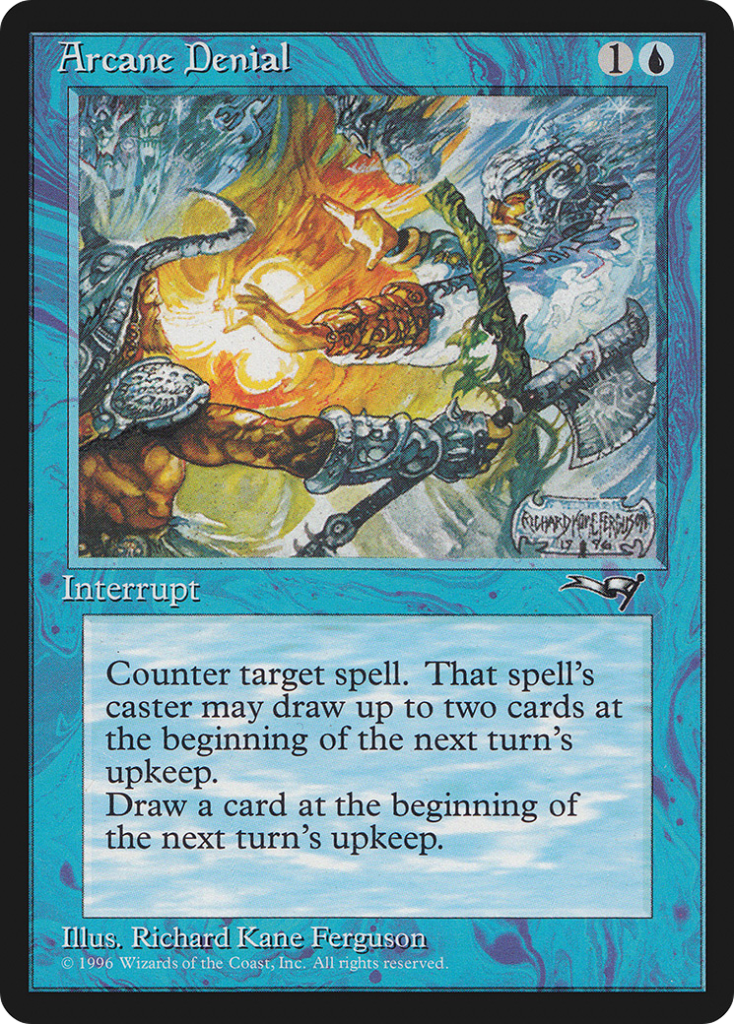
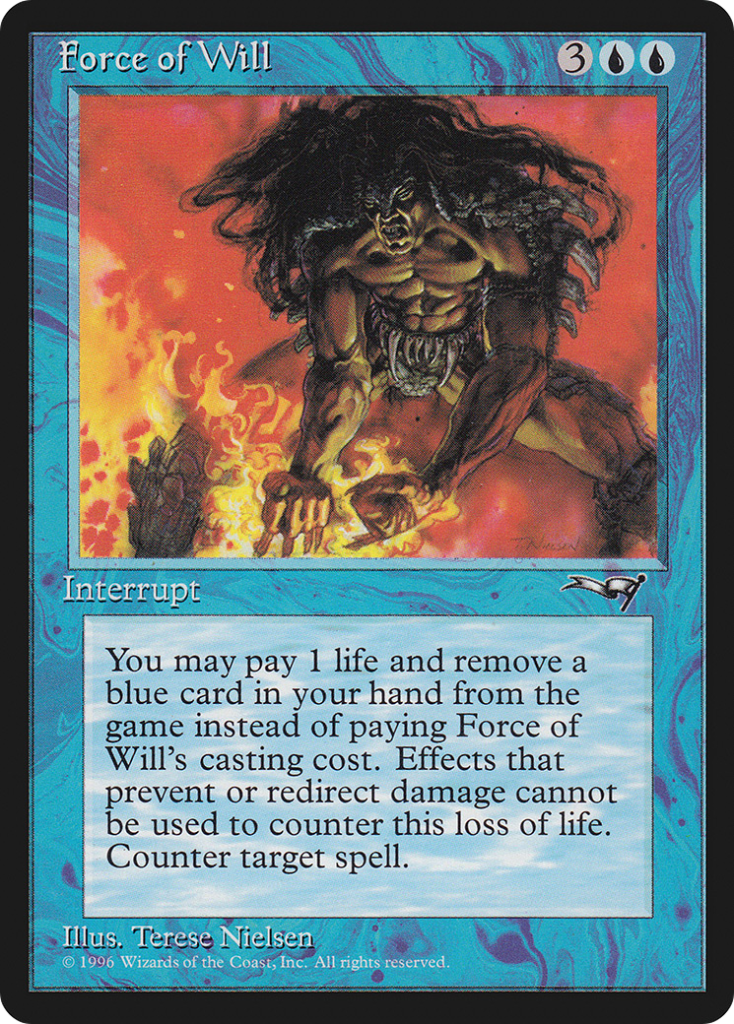
One of the noncreature cards was an easy pick because of how iconic the card is in the history of Magic and was a card that began exploring alternate casting costs in an efficient way. The other card I chose because it is also an iconic card from the set, since it also happens to be a counter spell, but with an interesting “downside” attached to it.
My picks for blue are Arcane Denial, Force of Will, and Storm Crow
Black
Black was probably the most difficult color to pick from because there weren’t that many interesting picks in my opinion.
The creature spell I chose was probably the most interesting creature because it incentivized playing decently sized creatures for value, and played into a strategy that will be useful in the Cube as it develops.
The noncreature picks helped establish some standard themes that go well in black, one being a way to get rid of smaller creatures and the other being an early modal spell that destroy something or make a creature token, which is pretty good for an early modal spell.
My picks for black are Feast or Famine, Soldevi Adnate, and Stench of Decay.


Red
Red was one of the easier colors to pick from, mostly because they had some of the more interesting creatures of the time.
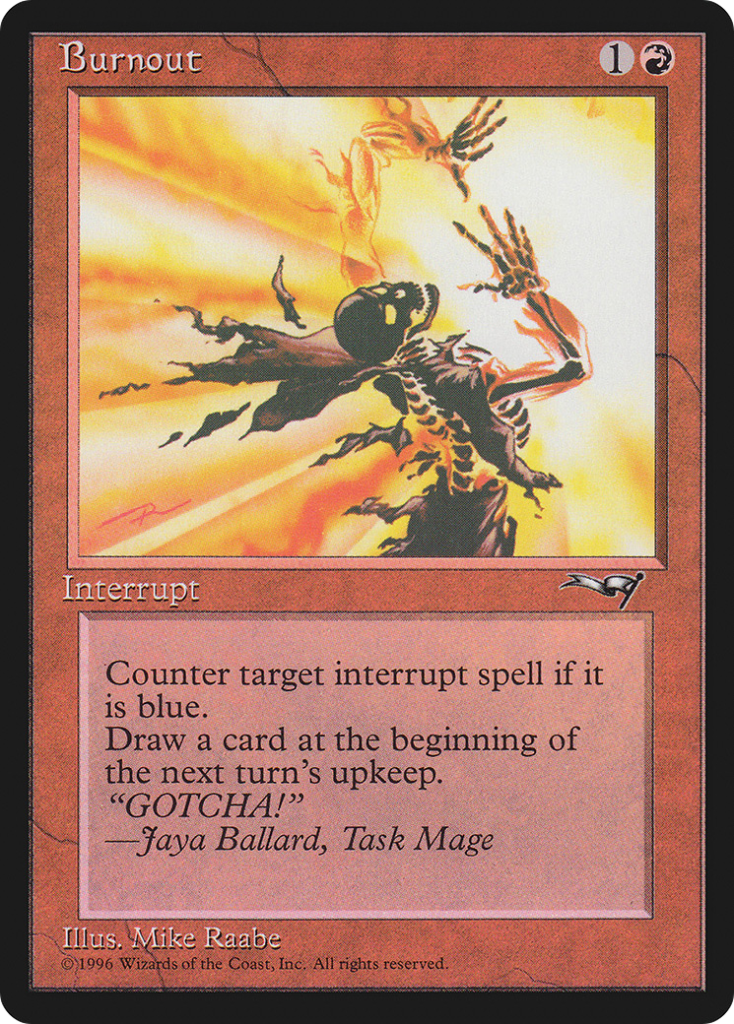
For the noncreature pick, I decided to follow through with having a couple of color hate pieces and chose a card that helped facilitate that strategy a bit.
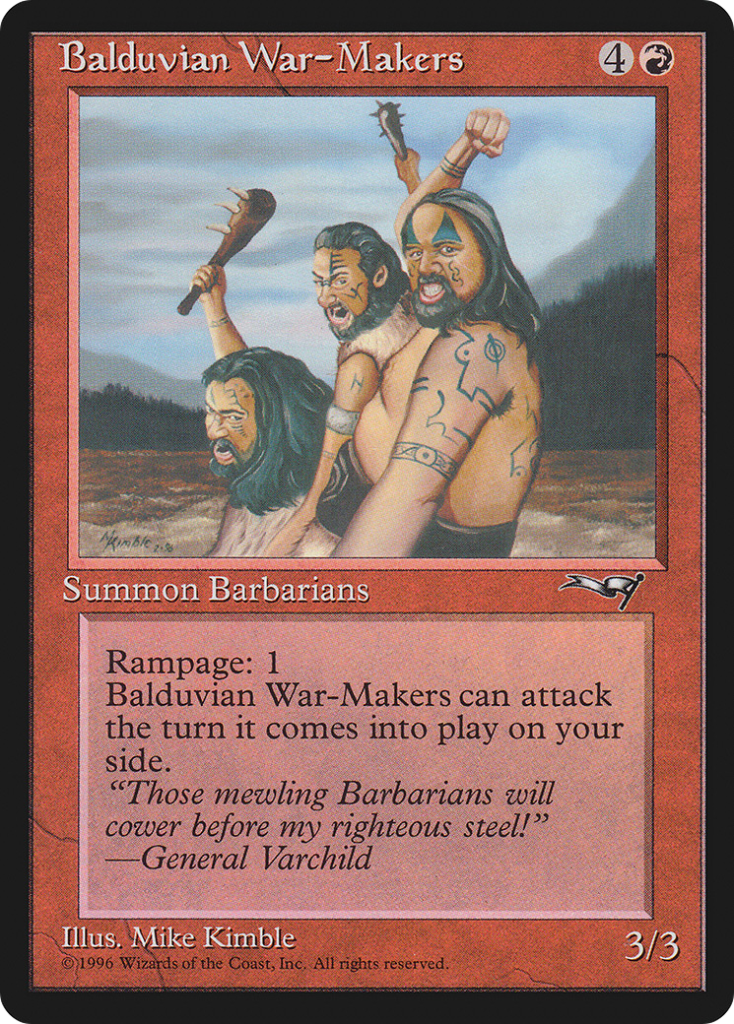
The creature picks were much more interesting in my opinion. The first creature is definitely overcosted, but also has an ability that has yet to be keyworded and an outdated ability that makes it pretty decent for the time, and the second creature is a solid cheap creature that happens to have a much more interesting downside to play around with.
My picks for red are Balduvian War-Makers, Burnout, and Varchild’s War-Riders

Green
Out of all the colors, green was the easiest for me to pick from as compared to all of the other colors.
The noncreature spell I chose if an interesting take on a protective spell, purely because it also has an additional cost that can be played around with in more aggressive decks in the future, giving them an avenue of protection.
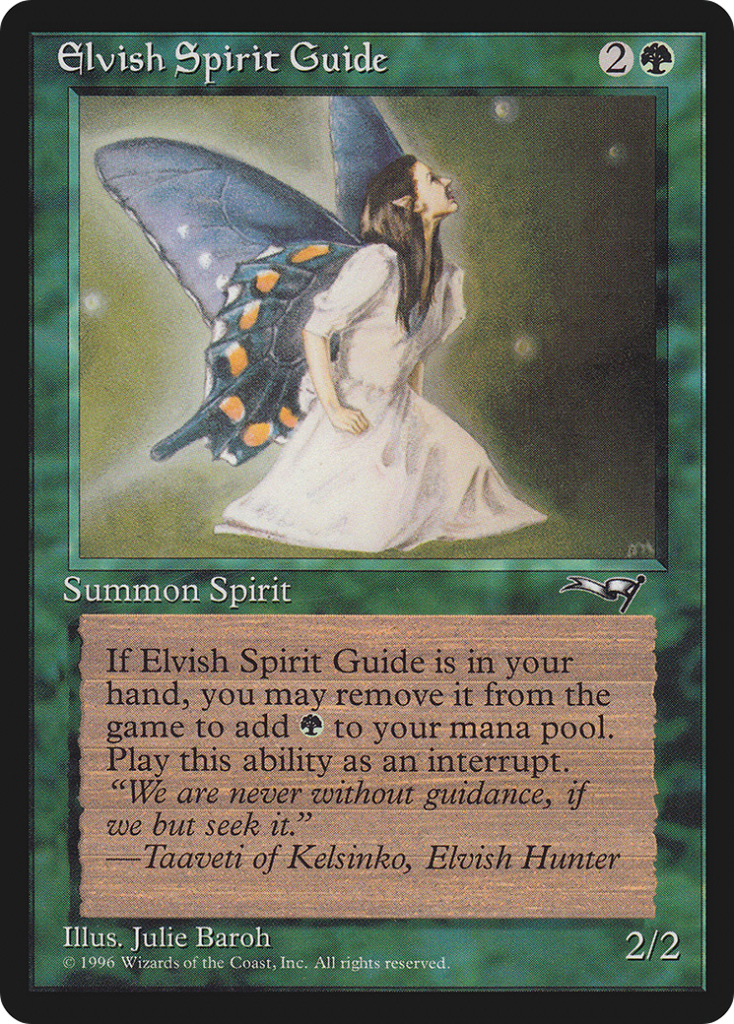
The creature spells came about pretty easily because one is a legendary creature that helps green as a whole, and the other is a very well known card that is very good and can definitely be used in a variety of ways in how strong it is as a utility creature.
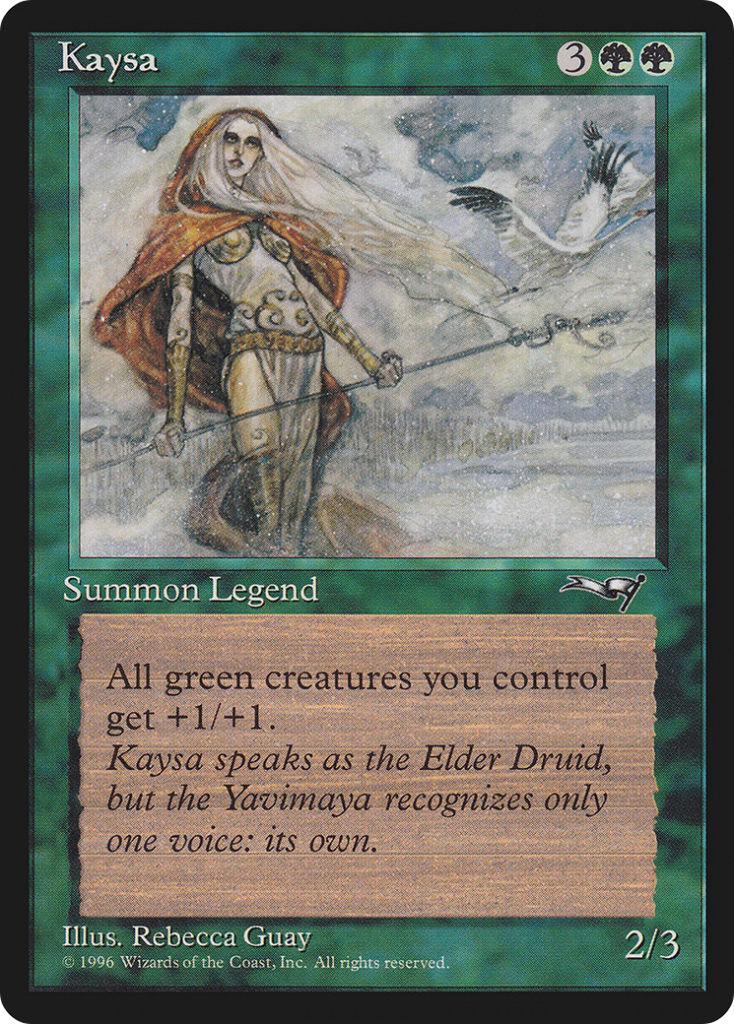
My picks for green are Elvish Spirit Guide, Kaysa, and Undergrowth.

Multicolor
It’s been a little bit since multicolor cards had their own section, so its great that I can do a bit of a write up for them.
There were five allied two color cards and five allied three color cards, and rather than picking one from another, I decided to have a bit of a mix.
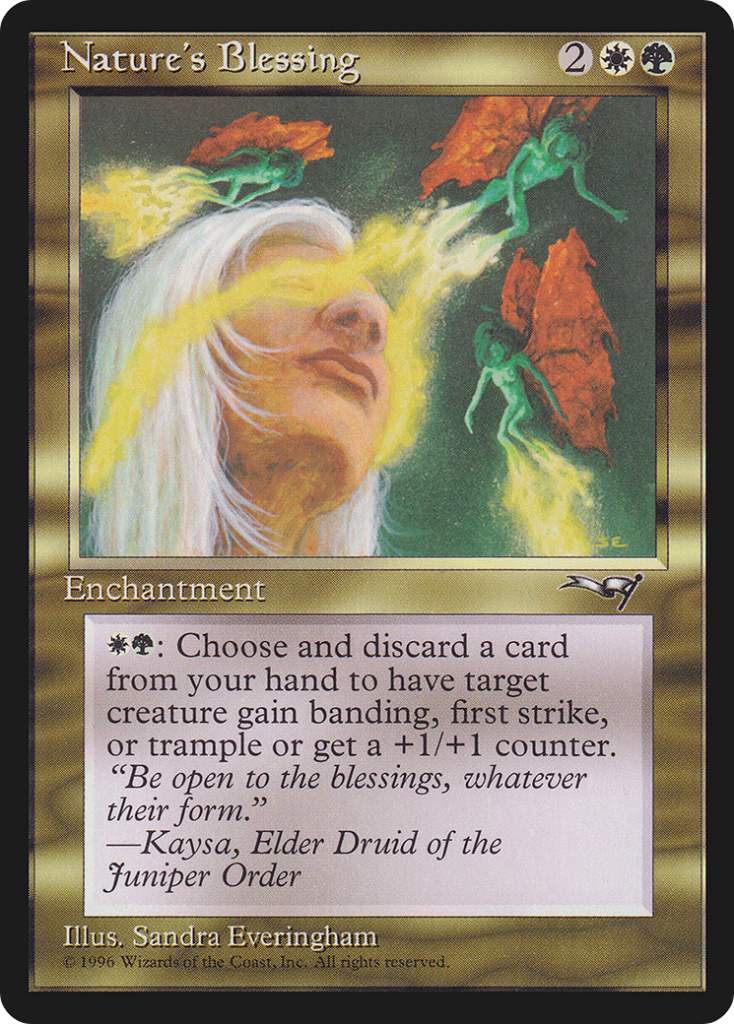
In the two color cards I decided on focusing on a couple of different avenues of play, One is a card advantage engine with a complicated ruling, and the other two are discard outlets in colors that, for the most part, don’t get a lot of discard outlets but one is an instant and the other is an enchantment.
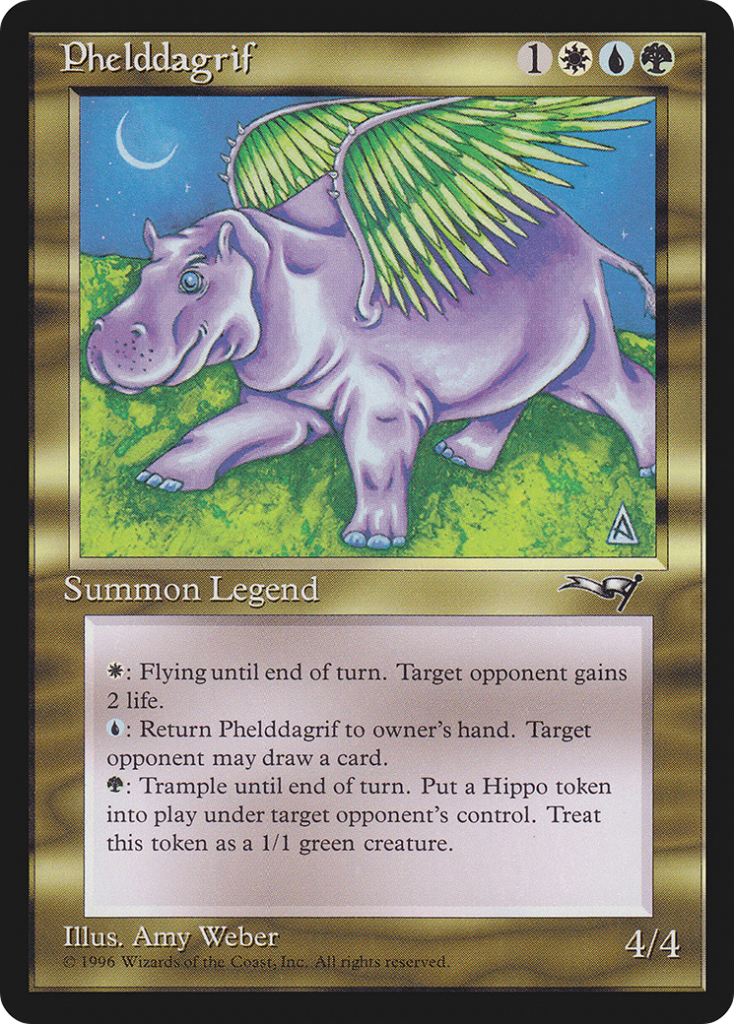
The two three color cards were a little more difficult but I ended up with choosing a land that will only have payoffs if there is a certain type of land present and an iconic creature for Magic.
My picks for multicolor are Lim-Dul’s Vault, Surge of Strength, Nature’s Blessing, Winter’s Night, and Phelddagrif.

Artifacts
Going into the artifacts, I once again had a difficult time in choosing what to include.
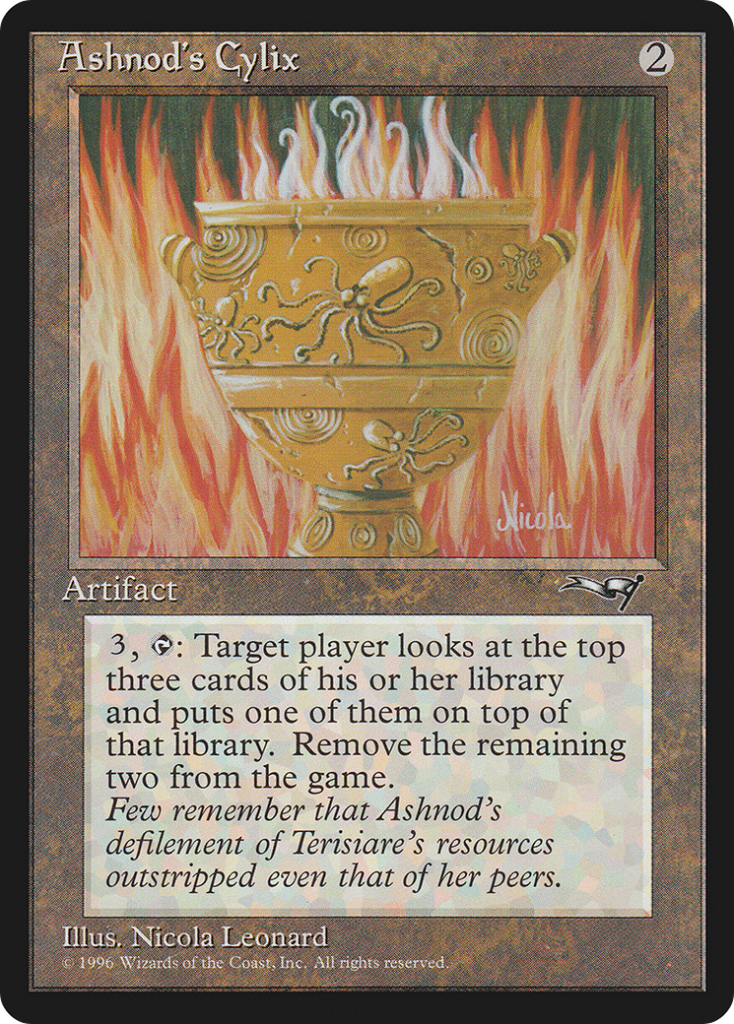
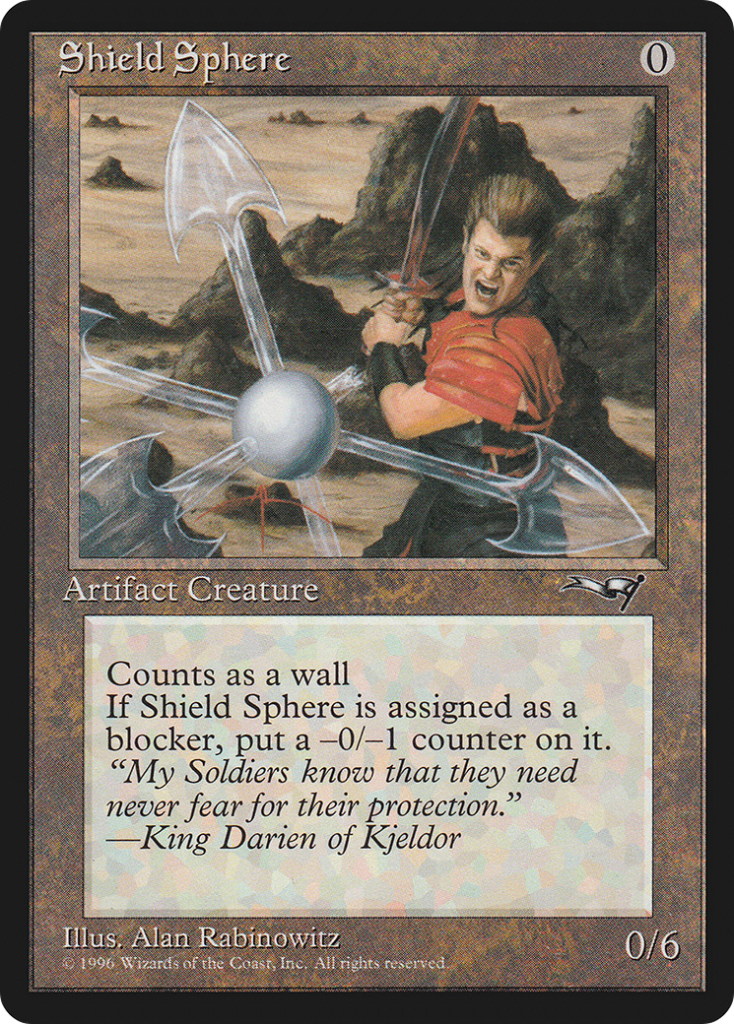
There were some interesting choices among the cards, but the ones I ended up with were a way to mill an opponent in an interesting way, recur some lands in a different way that can get better with other cards in the future, a cheap blocker, a mana rock, and a ramp piece.
My picks for artifacts are Ashnod’s Cylix, Lodestone Bauble, Shield Sphere, Sol Grail, and Storm Cauldron.

Lands
The lands were the easiest, but it also made me consider the effects cycles have in choosing cards for the Cube.
I could have included all cards in a particular cycle, but the reason I don’t always include them is because Magic has a ton of cycles for each set that only get more and more prevalent as the game goes on, leaving not a lot of room for unique other cards.
Having said that, choosing land cycles tends to be a good thing because it provides a balancing structure so that all colors are represented equally to make the Cube more “balanced”, even if some lands are better, which was the case here.
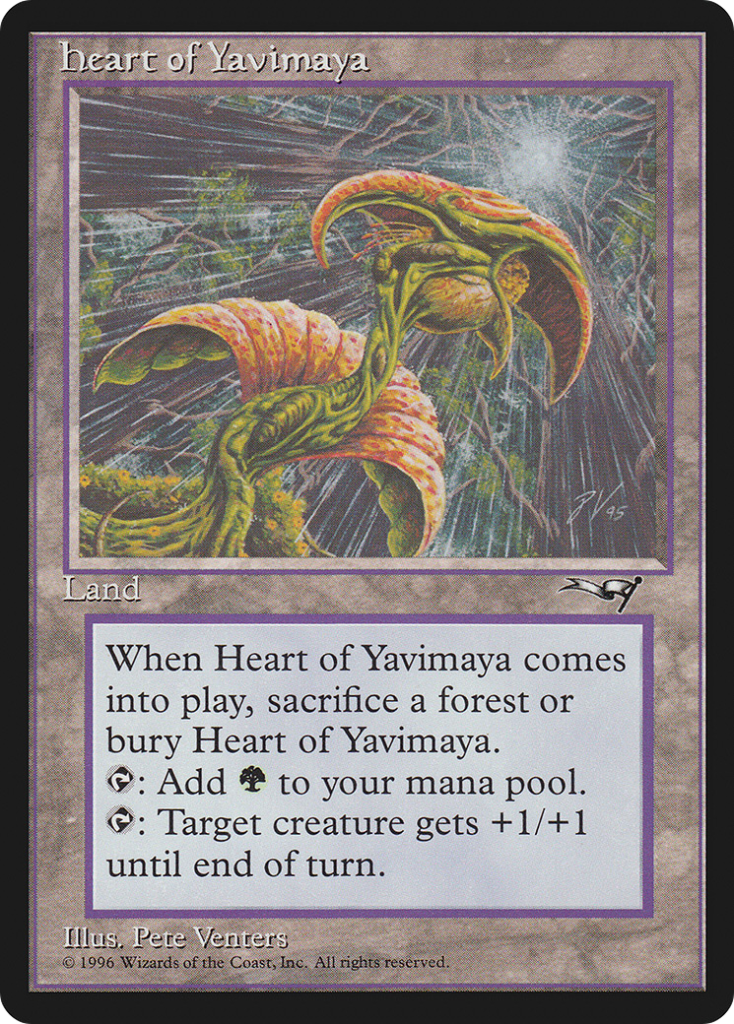
In this cycle of lands they all sacrifice themselves if a land of a particular type isn’t sacrificed and all of them also have activated abilities. One of those lands has an activated ability that is incredible strong, but does have a powerful downside attached to it that I think could make it work well with the Cube.
My picks for the lands are Kjeldoran Outpost, Soldevi Excavations, Lake of the Dead, Balduvian Trading Post, and Heart of Yavimaya.


In Conclusion
Alliances was the hardest time I’ve had picking cards from a set for a while, but I still like a majority of the cards I picked and think that they will help the Cube out as a whole.
This set made me realize that there will be some tough sets to pick from that aren’t Core Sets. Maybe I was just having a bad day when I made my picks, but in the end I do think that the cards I picked will work well for the Cube.
When we come back to the Magic Super Cube, we will be talking about Mirage, which will be a larger set and we will also be exploring a bit as how early block design starts to take shape.
As usual, here is the Moxfield link to keep up with all the cards in the Cube!
See you next time!
Peace,
From, J.M. Casual
Socials
Bluesky: @jmcasualnerd.bsky.social
Ko-Fi: ko-fi.com/jmcasual



 J.M. Casual Blog
Leave a comment